Finding Closure: Moral’s Sean Rehak on Vulnerability, Viral Moments, and the Songs That Saved Him

 Finding Closure: Moral’s Sean Rehak on Vulnerability, Viral Moments, and the Songs That Saved Him
 Finding Closure: Moral’s Sean Rehak on Vulnerability, Viral Moments, and the Songs That Saved Him
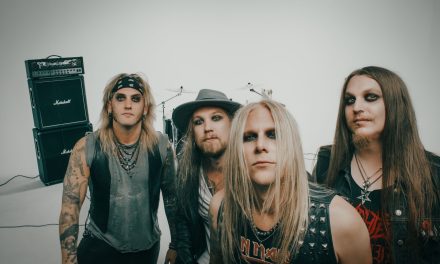
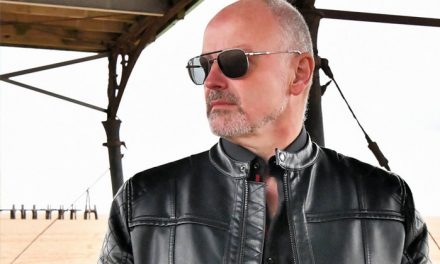
At The Echo in Los Angeles, Sean Rehak aka Moral steps into the room with the kind of quiet intensity you only see in artists who feel every note they write. Fresh off a breakout year and armed with a new EP that blends heartbreak, catharsis, and post‑emo grit, the Moral frontman sat down with us to talk about the stories behind his songs, the unexpected virality of “The World Will End With Us,” and the growing fanbase that’s turning his deeply personal music into something communal.
We’re here with Sean from Moral at The Echo. What are you looking forward to most about your show tonight?
I know for a fact we’ll have a bigger turnout than last time, just from what I’ve seen online. I also have some friends coming out who mean a lot to me, so that’s exciting. Last time we had a fill‑in guitarist, but tonight our actual guitarist is here for the first time. Having the full lineup together means we’ll have our real chemistry on stage, and I think it’s going to make the whole show a lot more fun.
Tell me about the guitarist who’s here now who wasn’t here last time.
Sure. His name’s Thomas. I met him freshman year at Towson University back in Maryland, where we’re from. We became friends after going to an emo night—he was the only other kid who listened to emo and metal, so we clicked immediately. One day I told him I had a show coming up and asked if he wanted to play guitar. I asked another friend, Luke, if he wanted to play bass, and they both jumped in. Ever since then, we’ve just been having a lot of fun with it. I’m blessed to have friends I care about supporting me on whatever journey we’re on.
 What were the highlights of your previous L.A. show?
Just being out here for the first time. I think it’s every musician’s dream, or at least part of it, to come to L.A. Once you’re here, you realize how much opportunity there is and how many doors you can open if you play your cards right. But honestly, the biggest moment for me was being on stage, singing my own music, and seeing people all the way across the country singing it back. Feeling that emotion in the room was everything I ever wanted.
You have a new EP out called Aphrodite. First of all, the title—was there an overall story or concept behind it?
A lot of the songs have a darker romantic theme, but also a lot of angst and pain. I liked the idea of Aphrodite—not just as the goddess of love, but of desire and longing. That craving for someone is the energy behind a lot of these songs. It felt fitting, because the person I had those feelings for, or still have, kind of became that Aphrodite figure to me.
Let’s go through each song. The first track is “Tear Me Apart.” What inspired it?
Funny enough, the last time I came to L.A., I had only two hours of sleep. The night before, I’d met this girl for the first time, and she was all I could think about. I was also just excited to be in L.A. We went to my buddy JoJo Centineo’s studio—he’s a producer out here—and he told me he’d put a track together when he saw I was coming. We made the whole song in a couple of hours, just on the spot. I took everything I’d been feeling that week and poured it into the song. It was pure adrenaline.
“Raindrops.” Tell me about that one.
I recorded “Raindrops” about a year ago. I was excited about it because the track had this alternative‑metal feel, but vocally I could lean into my Panic! at the Disco roots—very theatrical, very emo. The song is about giving everything you have to someone and getting nothing back. No matter what you do, you can’t get where you want to be, and all you’re left with are rainy days—just raindrops. I took inspiration from Sleep Token, early Taking Back Sunday, Panic!, and even 2000s metalcore. There’s a hyperpop section in the bridge, so it’s super experimental. It’s not the biggest song on the EP, but it’s definitely a fan favorite.
 Now we’re going to the third song on the EP, “Ghost.” Tell me about that one.
I love “Ghost.” It’s probably one of my favorite songs we’ve composed. I wrote it about self‑regret—battling everything that could have been. The whole song is about looking back on moments from your past and feeling like you didn’t do enough. It’s not about a specific person; it’s more like telling someone, “Tell me how you saved yourself,” because they’ve moved on from their regret while I’m still stuck reliving mine. Whether it was a relationship or just personal emotion, I was still soaking in that misery.
On a positive note, musically it started with this shoegaze‑y, Deftones‑type feel, but I wanted to rework it into something more Paramore‑esque. All We Know Is Falling is a huge inspiration for me. We added a bit of a synth‑pop, Depeche Mode vibe too. Our bassist Luke—he’s also my roommate—added a guitar solo after I walked into his room one night and asked if he wanted to layer something on it. The song just feels so full. We even filmed a full‑length music video for it. It didn’t perform the way I hoped, but it’s still one of my favorite songs to play live.
“Play Pretend.” Tell me about it.
That one’s like a roundhouse kick to the face. It has a very nu‑metal vibe—grungy guitars mixed with post‑emo vocals. We made it pretty much on the spot. I was really inspired by Nothing,Nowhere when I wrote it. I wanted to push my vocals, try new belts, new melodies. Lyrically, it’s about loving someone so much that you’d do anything for them, but they don’t feel the same. You can’t bear to lose them, so you wish they’d at least pretend. It sounds dramatic, but I love putting theatrics into the figurative language of these songs.
“I Can Fix You.”
That song is such a deep cut. Last time we did an interview, I talked about meeting Harrison Witcher, my executive producer. We wrote the whole album together—except “Tear Me Apart”—and back when we wrote “World Will End for Us” and “Closure,” we also wrote “I Can Fix You.”
Honestly, I don’t even know where the inspiration came from. It just felt natural. I think it’s about opening up to someone and how that vulnerability bonds you with people—feeling safe enough to release all your pain and let them into your life. It’s emotional for me to play live. Not many people know it since it’s more of a deep cut, but it’s one of the songs that really makes me feel something on stage.
 And you mentioned “Closure.” Let’s talk about that one.
Yeah. “Closure” is my favorite song to play live. A lot of people love it, but for me it’s one of the most therapeutic songs I’ve ever written. I was dealing with so much anxiety and self‑doubt at the time, and the song just came out naturally. Now when I play it, I don’t think about that anxiety—I think about the new meaning it has. I found that closure.
At our last Baltimore show, I looked out into the crowd when the first chords hit and saw someone close their eyes, take a deep breath, and just let something go. It reminded me of moments I’ve had at shows—like when I saw Citizen and completely lost control of my emotions during “The Night I Drove Alone.” I took a deep breath, exhaled, and tears just fell.
Seeing someone do that to my song was a new emotion. It wasn’t about releasing pain—it was about making peace with it. Being able to create that kind of emotional space in a room is my favorite thing about music.
And the last song, “The World Will End With Us.” With the line “kiss me with the lights on”—to me, that’s a classic. Tell me about that one.
That one was so weird. I wrote it in like 30 minutes. I got home from work, I was listening to Deftones, and I just thought, “I want to write a really romantic song—just however I imagine it.” I sat down, wrote the hook, and it was the first song I ever worked on with Harrison. We put it out, and I started seeing more engagement on TikTok and socials. I was like, “Huh… people like this.”
Then I filmed this super low‑quality selfie video on my iPhone, and for some reason it blew up. The song just keeps doing numbers. It makes it so much more fun to play live because everyone who comes to see me knows that song. It wasn’t a deeply emotional track for me at first—it was quick—but seeing people message me saying what it means to them, or how it has a totally different meaning in their life, made it special. Honestly, that song changed my life.
That’s my favorite song of yours. How do you feel when people make memes or posts about the “kiss me with the lights on” line?
I know it’s all in good fun. I’m still getting used to it, but if people are quoting the lyrics, I’m going to have fun with it too. It’s one of those serenade‑type songs, so I get why people latch onto that line. We have fun with it.
 Any new music on the horizon?
Yes. I’m dropping a song next month called “When Life Gives You Lemons.” I love it—I think it’s my best song yet. We’re doing a full‑length music video and a lot of vertical content. When February hits, we’re pushing hard. It’s still very much the sound of Moral, but it steps away from the alternative‑metal vibe and leans more into that Citizen‑influenced, Midwest post‑emo feel. It starts acoustic and then goes right into that emotional, driving energy. It’s heavily inspired by Citizen, Movements, and Real Friends.
I recorded it last time I was in L.A. I wrote the guitar riff, brought it to producer Jack Ritter, and he made it even better. I wrote all the vocals during a rough time in my life, so it came from a real place. We have four new songs we’re making this week—I literally finished one yesterday. There will still be tracks for the OG Moral fans who love the alt‑metal sound, but also a lot more post‑emo material. A lot of heavy hitters this year. If everything plays out right, this could be a big year.
And we can do another interview and talk about the new song.
For sure. I plan on coming out here every quarter if I can. Eventually, I want to move out here. It’s impossible to be sad in L.A.—there’s just so much happening. It can get overwhelming, but this week I’ve been putting my phone down and reminding myself, “You’ve wanted to be here since you were a kid.” I’m trying to stay present, put the stress aside, and just take it all in.
Last question: Do you have any message for Moral fans who are reading this right now?
If you’re reading this, you’re definitely an OG fan. I love you. You’re the reason my dream is where it is right now. You’re the ones streaming the songs, posting about them, sending messages, leaving comments. We’re taking baby steps as a fanbase. I’m fully independent—no label push—so I’ve just been posting every day and slowly building this really dedicated community.
I try to respond to everyone. Hearing people’s stories, meeting them, seeing all these beautiful smiling faces—it means the world to me.
In Conclusion
As the lights dimmed at The Echo and Sean stepped back toward the stage, it was clear that Moral isn’t just building a fanbase—they’re building a community rooted in vulnerability, catharsis, and connection. With new music on the way and a creative fire that only seems to grow stronger, Sean Rehak is carving out a space where emotion isn’t just welcomed—it’s the point. If Aphrodite is any indication, this is only the beginning.
(Interview by Ken Morton – Photos by Scott Waters)
Moral on Instagram