


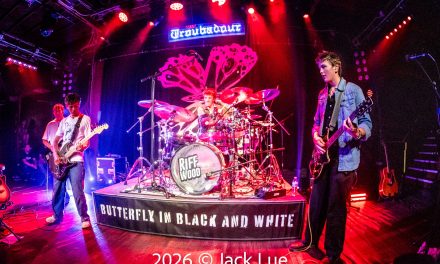




Rising Out of the Ashes: A Conversation with Suzy Wilson of CrüeFest Hollywood & Suzy and the Substitutes
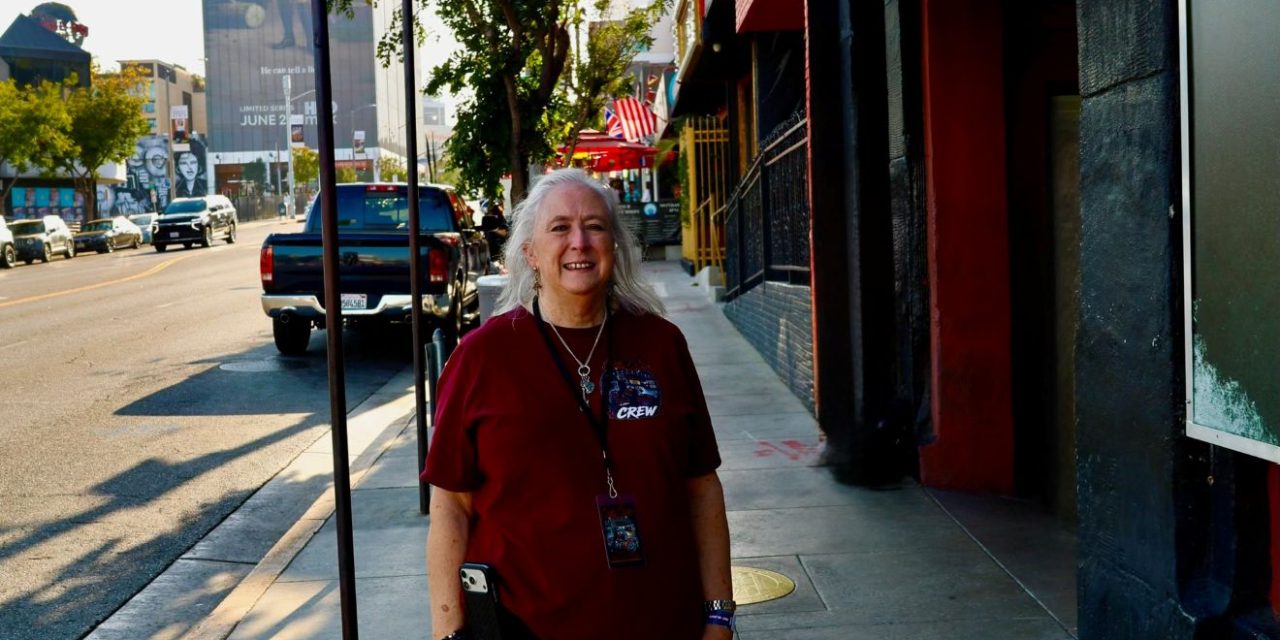
 Rising Out of the Ashes: A Conversation with Suzy Wilson of CrüeFest Hollywood & Suzy and the Substitutes
CrüeFest Hollywood has always been more than a concert — it’s a gathering of a devoted community built on music, charity, and decades‑long friendships. At the heart of that community is Suzy Wilson, cofounder of CrüeFest and frontwoman of Suzy and the Substitutes.
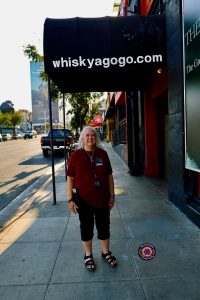
Just minutes before this year’s event at the Whisky a Go Go, Suzy sat down with Highwire Daze to talk about the origins of CrüeFest, her band’s new music, and the deeply personal journey behind her upcoming single Rising Out of the Ashes. What began as a conversation about charity and rock ’n’ roll quickly turned into a raw, honest look at grief, resilience, and the healing power of music.
We are here with Suzy Wilson, one of the founders of CrüeFest. First of all, give us a little background on CrüeFest and how it all began.
Back in the late nineties — before MySpace, Facebook, or any of that — the only real social media was message boards. At the time, Mötley Crüe had broken up, so there were only about three hundred people on the unofficial Mötley Crüe message board. A fan had set it up, not the band.
Because there were so few of us, we all got to know each other. Over the years there were friendships, marriages — all kinds of connections. Around 2000, we started talking about how great it would be to meet in person. This was also before Zoom, so the idea of everyone gathering somewhere felt exciting.
 Someone said, “Why don’t we all go to L.A.?” Then it became, “Why don’t we have a show?” And finally, “Why don’t we make it a charity event?” It was originally supposed to be a one‑time get‑together for those three hundred fans. But everyone had such a great time, and we raised a good amount of money, so we kept going.
We missed two years because of COVID, but aside from that, this is our 23rd year of CrüeFest. The first one was in 2001, and here we are in 2026 still rockin’ and rollin’. All proceeds go to charity — Letty’s Angels of Hope — in memory of Skylar Neil, Vince Neil’s four‑year‑old daughter who passed away from cancer.
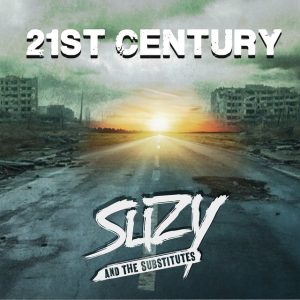
You have two songs that recently came out. Let’s talk about them. First up: Twenty‑First Century. What inspired that song?
Just everything going on in the world. The civil rights movement, the women’s rights movement — all these efforts to create equal rights for everyone. Back then, we imagined that by now things would be equal. We pictured a future like Star Trek, where everyone lived together in peace and harmony.
But instead, it feels like we’re going backwards. Some of the protections that provided equal opportunities have been rolled back. There’s so much division and so much hate. I grew up during the hippie era — peace and love — and now it feels like the opposite.
We need to get back to that “everybody love everybody” mindset. Even if you don’t agree with someone’s choices, as long as it doesn’t directly affect you, let them live their life. You live yours. We need to coexist.
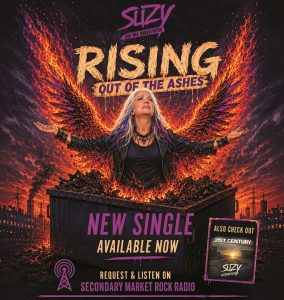 And your next song — the new one that’s about to come out. Tell me about the title and the inspiration behind it.
The title is Rising Out of the Ashes. The line comes from “Rising out of the ashes of a dumpster fire of a year.”
On December 15th, 2024, my husband of nearly fifty years — for reasons I will never know — decided to end his life. It had been a completely normal day. We got up, went out to lunch, he helped me with a project in the yard. He went inside to watch golf. I made a couple of phone calls. When I came out an hour later, he was gone. I found him in the backyard. No warning. No preparation. Nothing.
I’d been with him almost fifty years. It was devastating. And then you’re dealing with not just the emotional fallout, but the financial realities, the paperwork — everything that comes with a death in the family. It was overwhelming. I shut down. I wasn’t doing music. I wasn’t doing much of anything.
Then in July of 2025, I fell and broke my foot. I had just started trying to get out and do things again, and suddenly I couldn’t travel or perform. It truly was a dumpster fire of a year.
That’s the backstory of the song — trying to cope with losing him, trying to figure out where I go from here. When you get older, you know one of you might go first, but you don’t expect it to be decades early, and you don’t expect it without warning. I hadn’t been alone since I was twenty. My son lives overseas, so while he’s very supportive, I don’t see him every day or even every week.
All of that — the loneliness, the overwhelm — went into the song. I hope it helps other people dealing with loss, so they know they’re not alone. And I hope it reaches people who are contemplating suicide and think nobody loves them or will miss them. I can assure you: there are people who care. His memorial was full of people sharing beautiful stories about him. Some still call me. You may not hear from people right now, but they’re out there. Reach out. Let them show you they care.
 I want to plug several suicide‑prevention hotlines, which we’ll be running with this interview. Thank you for sharing all of that.
We’re pitching it to suicide‑prevention groups and survivor groups. I also have another song called Survivor that I wrote because I have PTSD. Unfortunately, the person who originally made the music video did everything I told him not to do. It took me three days to watch it — it was that triggering.
Even though it was beautifully shot and cinematically great, it didn’t help the people it was meant for. The audience couldn’t watch it because it was too triggering. So we redid the video to match what I originally intended. In addition to pitching Rising Out of the Ashes to suicide‑prevention groups, we’re also pitching Survivor to mental‑health and PTSD organizations. That song is kind of a two‑for‑one.
We weren’t able to do that when we first released it, so we’re hoping to finally get it out to the people who need it.
Are you already planning for CrüeFest next year?
We’ll start right after this one is over. We’ll figure out the date for next year and begin working on it. We really dive in around January every year, but a lot of the early prep starts in the next couple of weeks. Plus we have to wrap up this year — see what worked, what didn’t, how much money we raised, how much we spent.
We try not to spend any money. We have a band here from Australia — and they’re not the first. They’re the third or fourth band we’ve had from Australia. No band gets paid for playing. No band gets reimbursed. I pay my own way, and I live in Houston. None of the organizers of CrüeFest live in California. We all pay our own way to get here. No one gets reimbursed for expenses.
It’s a very charitable group effort. We want to make sure everything works the way we want it to so we can give as much money as possible to the charity — Letty’s Angels of Hope, in memory of Skylar Neil. That’s our main focus. Then comes the music and the fun. It’s a CrüeFest family. You’re part of the family.
It still has the same feel it had back in 2001 — like a family reunion. Probably more fun and more love than a lot of blood‑family reunions. It’s great to see everyone.
I broke my foot last year and couldn’t be here, so it’s awesome to be back and see everyone I missed. Some people haven’t been here for a couple of years. Some bands haven’t played in a while. We have bands from all over the world. It’s just a big effort of love and support.
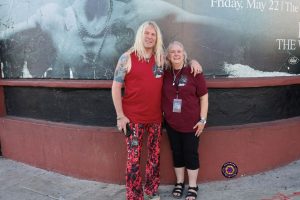 In Conclusion
CrüeFest has always been powered by heart — by fans, by musicians, by volunteers, and by the unwavering dedication of people like Suzy Wilson. Her story is one of resilience, community, and the healing force of music. Whether she’s organizing a global fan reunion or writing songs born from unimaginable loss, Suzy continues to turn pain into purpose and connection.
As her new music reaches suicide‑prevention and mental‑health organizations, her hope is simple: that someone out there will feel less alone. And that message — rising out of the ashes — is exactly why her voice matters.
Suicide Prevention Resources
If you or someone you know is struggling, you are not alone. Support is available:
Suicide & Crisis Lifeline — Dial 988
Crisis Text Line — Text HOME to 741741
Veterans Crisis Line — Dial 988, then press 1
Trevor Project — Support for LGBTQ+ youth
Local mental‑health services — Reach out to a provider near you
You deserve support, connection, and care. Reaching out is a sign of strength.
(Interview by Ken Morton – Photos by Karyn Burleigh of Rock Edge Photography)
Suzy and the Substitutes on Instagram
CrueFest Hollywood on Instagram