
Oliver Hartmann: Twenty Years Colder, Still Burning Bright
 Oliver Hartmann: Twenty Years Colder, Still Burning Bright
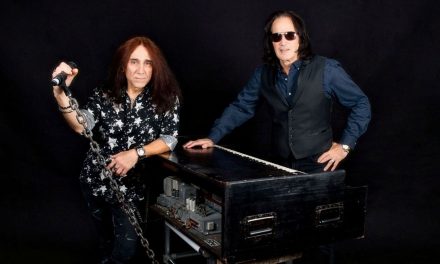
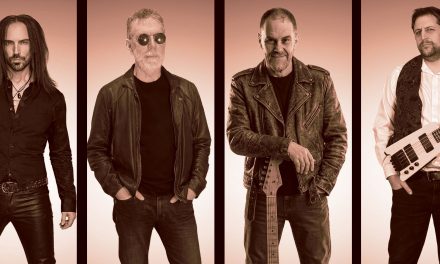
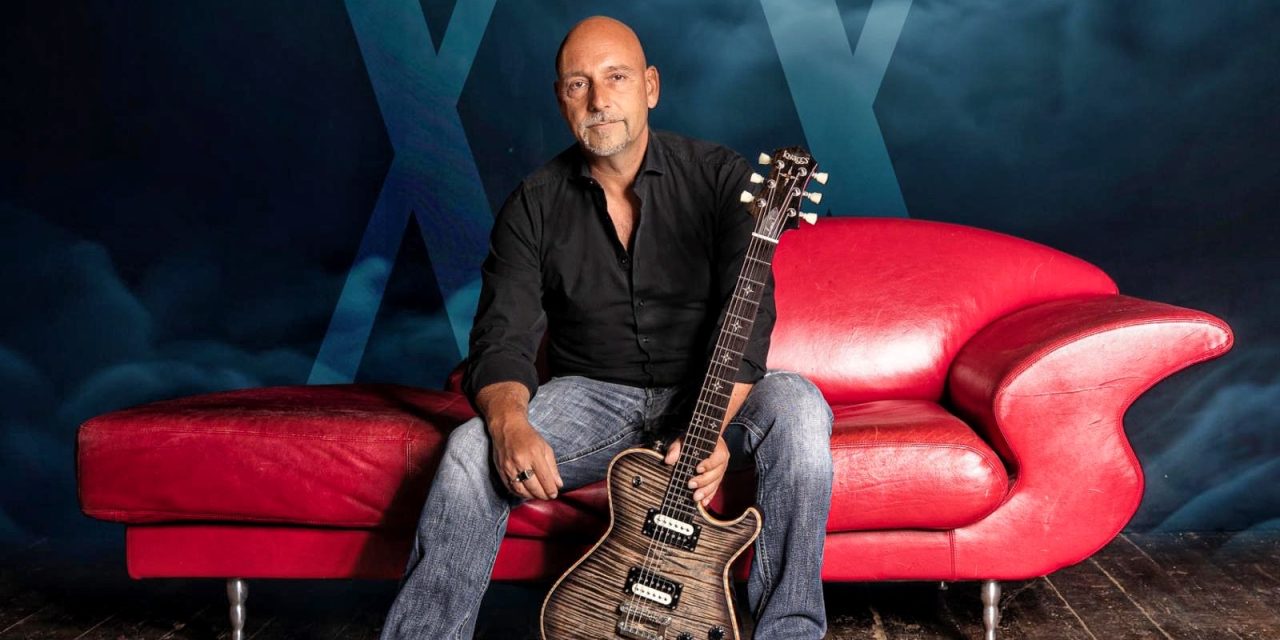
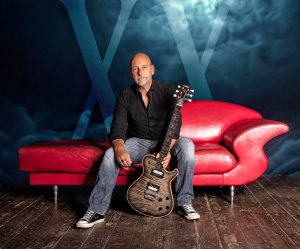
Two decades after stepping out of the cold with his self-titled debut, German rock veteran Oliver Hartmann returns with Twenty Times Colder, a powerful new album out now via Pride & Joy Music. More than just a nod to his 20-year journey, the record is a defiant statement in an industry that’s grown colder with time — streaming pennies, shrinking margins, and the uphill battle of staying independent. But Hartmann’s flame hasn’t flickered. From his early days with At Vance to global tours with Avantasia, and now fronting his own legacy with Hartmann, Oliver remains one of melodic rock’s most resilient voices. In this exclusive Highwire Daze interview, he reflects on the past, honors the present, and proves that even in the frostiest conditions, the music still burns.
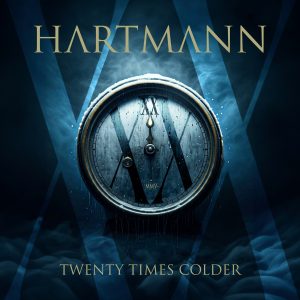
Let’s talk about the new album, Twenty Times Colder. Is there an overall story or concept behind the title and the song?
Yes, absolutely. First of all, it ties into our 20th anniversary. Hartmann was founded in 2005 — we played our first show and released our debut album Out in the Cold that same year. I wanted a title that connected back to that beginning, and Twenty Times Colder felt like a fitting evolution.
But there’s a second layer to it. The music business has always been tough, and in recent years it’s become even harder. With digital distribution, Spotify, and streaming, people have stopped paying for music. It’s incredibly difficult now for musicians to earn a living doing what they love. Many assume artists live on air and passion alone, but we have bills to pay like anyone else. The revenue from releasing a song or album has shrunk to almost nothing. You have to find new ways to distribute your work — I started my own label 15 years ago — but even then, the demands keep growing while the returns keep shrinking.
I’ve seen many fellow musicians give up because they simply can’t make ends meet. In Germany, we’re lucky to still have a decent live market, but the traditional music business — selling CDs, earning from releases — is fading fast. Despite all that, I remind myself not to lose the energy, humor, and love for music that brought me here in the first place. That’s the spirit behind the song Twenty Times Colder: “Twenty times colder, but my flame for music is still alive.”
 You’re currently on a solo tour and kicked things off at Sinner Rock with Grave Digger. How did that show go?
It was great — a short 45-minute festival set, but it felt like the perfect kickoff. Since the band members live in different parts of Germany, we don’t rehearse weekly. So getting back on stage together had a special vibe. Playing the new songs live was a blast, and the crowd was fantastic.
Chris Bay of Freedom Call joined you for a few shows. What was that like?
Yes! When we planned this headlining tour — which is only in Germany for now, though we hope to expand into other parts of Europe next year — we decided not to bring a full band as support. Chris has this solo acoustic set where he plays Freedom Call songs and covers, just him and his guitar. He’s a great guy, and we’ve known each other for years. I asked if he’d like to join us for a few shows, and he agreed. It was wonderful having him on board.
You’ve toured the U.S. with Avantasia. Have you ever brought Hartmann stateside, or would you like to?
We’d love to — it’s been a dream for many years. But for a smaller band like ours, it’s tough to make it work financially. Even with just four members, you need flights, accommodation, travel logistics — it adds up quickly. We know we have fans in the U.S., and hopefully one day we’ll find a way to make it happen.
Next year marks the 10th anniversary of Shadows and Silhouettes. What are your thoughts on that album now?
Every album is special when you’re the main songwriter and lyricist, but Shadows and Silhouettes holds a unique place for me. I was dealing with the death of my mother and the end of a relationship during that time, and the lyrics reflect those personal experiences. It’s a more acoustic, singer-songwriter-style album compared to the others — maybe not what people expected from Hartmann, which might explain why it wasn’t our best-selling release. But I’m proud of every song on it.
We still include tracks from that album in our live set. One in particular, Still the Same, speaks to the state of the world — politics, conflict, everything we’re seeing again now. We only played it a couple of times back in 2016, but for this tour, we brought it back as a statement on the current global situation.
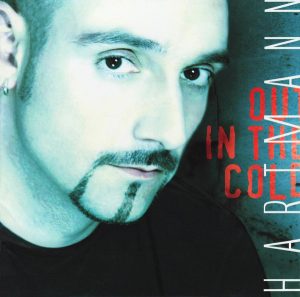 Let’s go back 20 years to Out in the Cold. What does that debut mean to you now?
It was a huge step. Before Hartmann, I was known as the singer for At Vance, a German neoclassical power metal band. I didn’t have much influence on songwriting or lyrics there. Then came Avantasia, which was mind-blowing — no one expected that first album to become a mega-seller.
After leaving At Vance, I knew I wanted to create something that was 100% me. That’s why I named the band Hartmann — it’s my last name, and it’s my music. Some might expect something heavier or more industrial from a German band name like that, maybe Rammstein-style, but this is my personal vision.
Out in the Cold was the beginning of that journey. The title reflected my experiences in the industry, and the song itself has resonated with fans ever since. It’s still our encore opener at every show. I’m proud of that album — it was the first step in a long, 20-year road.
And finally, let’s go back 25 years to At Vance and Heart of Steel.What do you think of that era now?
Looking back, what we did with At Vance was really cool. We had our personal issues that led to the split — that’s common in bands — but the music still holds up. Heart of Steel, the debut, Dragon Chaser, All Human — there are great songs across those albums.
Of course, we were also known for our ABBA covers, which some people laughed at. But those covers stuck with fans. On this current tour, I decided to honor that part of my history. We’re playing The Winner Takes It All as a medley with Music by John Miles — a song that means a lot to us.
It’s not about the At Vance version specifically, but the song itself. It speaks to how people treat each other in relationships. Whether it’s acoustic, metal, or anything in between, it’s a powerful piece. Including it in our setlist is a way of acknowledging where I came from — and how it led to forming Hartmann.
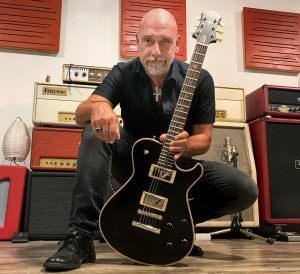 You toured with Avantasia alongside Ronnie Atkins of Pretty Maids, who was battling cancer at the time. What was that experience like?
I remember it vividly. It was 2019, and after the European leg of the tour, Ronnie told us he had to return home to Denmark. He’d received troubling news from his doctor — something serious had shown up in his tests. A few days later, we learned he had cancer. And not a mild form — it was aggressive.
Ronnie and I weren’t just two guys sharing a stage. Over the years — in 2013, 2016, and especially 2019 — we became close friends. We talked about everything: music, life, personal struggles. So when he got that diagnosis, it hit hard. Thankfully, he found an excellent doctor and a therapy that worked. He’s been cancer-free for three or four years now. He still goes for regular checkups, and each time the results come back clear, I’m grateful — to God, to the universe, to whatever force helped him through.
We’ve talked a lot about how that experience changed him. I’ve seen it in others too — when you face something that serious, your whole mindset shifts. You start to see what truly matters: your health, being alive, having another day to make choices. Every day becomes a gift, a chance to change, to act, to live. And when you’re in a place where those choices are no longer yours — when you’re relying on doctors, therapies, and hope — it’s a humbling thing.
Ronnie was lucky. He made it through. We still stay in touch, and it’s always a joy to talk to him. He’s a fighter, and I admire him deeply.
Soul Seller recently reissued Back to Life, which features you on the track “Keep On Moving.” What do you remember about that song?
That was quite a while ago — I think I recorded it 11 or 12 years back. I listened to it again a few years ago and thought, “Yeah, that’s a great song.” I didn’t even know they re-released it, but I wish them all the best. It’s a solid track.
 Are you currently involved with any other bands or projects?
Not really — or at least, not in the way I used to be. Over the past 20 years, I’ve done a lot. But about three years ago, I decided to step away from Avantasia to focus on other parts of my life. The tours were getting longer and more unpredictable, and I wanted time to pursue things I’d been putting off.
I also stepped away from a Pink Floyd tribute band I’d fronted for over 20 years. But — and here’s where I correct myself — I’m now part of a new Pink Floyd tribute called Pulse – The Best of Pink Floyd. We’ve been touring in Germany for about a year and a half, and it’s going really well. It’s mostly the same lineup as the previous band, Echoes, minus one member. The vibe is great, and we’re doing full electric shows that are nearly one-to-one with the original sound.
We’re also launching a special project this January called Acoustic Side of the Moon. It’s a follow-up to Barefoot to the Moon, which we started 10 years ago. This new version features acoustic guitars, acoustic bass, a grand piano, and a string ensemble from Prague that I’ve worked with for over a decade. Last year’s tour was a success — many shows sold out — and we’re excited to do it again.
There are lots of Pink Floyd tributes out there — German bands, the Australian Pink Floyd Show, Brit Floyd — but this unplugged concept with strings is still unique. It takes about 30 to 45 minutes for the audience to settle into the vibe, but by the end, they’re deeply moved. That’s what music is about: transmitting energy, emotion, and connection. Whether it’s original songs or covers, if you can create that synergy on stage and the audience feels it — that’s the magic.
It’s why we accept the financial sacrifices, the long tours, the unpredictable schedules. We do it because we love music.
 I came across a credit of yours from the ’90s — a band called Centers, where you covered “Desperado” by the Eagles. Did the Eagles ever hear or comment on your version?
I wish they had! I’ve always been a huge Eagles fan, especially of “Desperado.” There’s something about that song — the lyrics, the vibe — that’s hard to explain. We did a cover with Centers, which was the original project I started with Olaf Lenk, who later formed At Vance. Centers wasn’t a big success, but we did some cool things, and our version of “Desperado” is still one of my favorites.
Funny enough, I played it live for the first time last Christmas at a special concert with a unique lineup. We did a stripped-down acoustic version, and it felt amazing. It’s a great song — timeless.
Any message for Hartmann fans in the U.S. who are reading this now?
Absolutely. I want to say hi to everyone who’s followed Hartmann, Avantasia, or any of the projects I’ve been part of over the past 20 years. We’d love to come to the States — even just for a handful of shows. We know we have fans there, and we’re working on making it happen. Hopefully soon.
(Interview by Ken Morton)
Hartmann on Instagram