
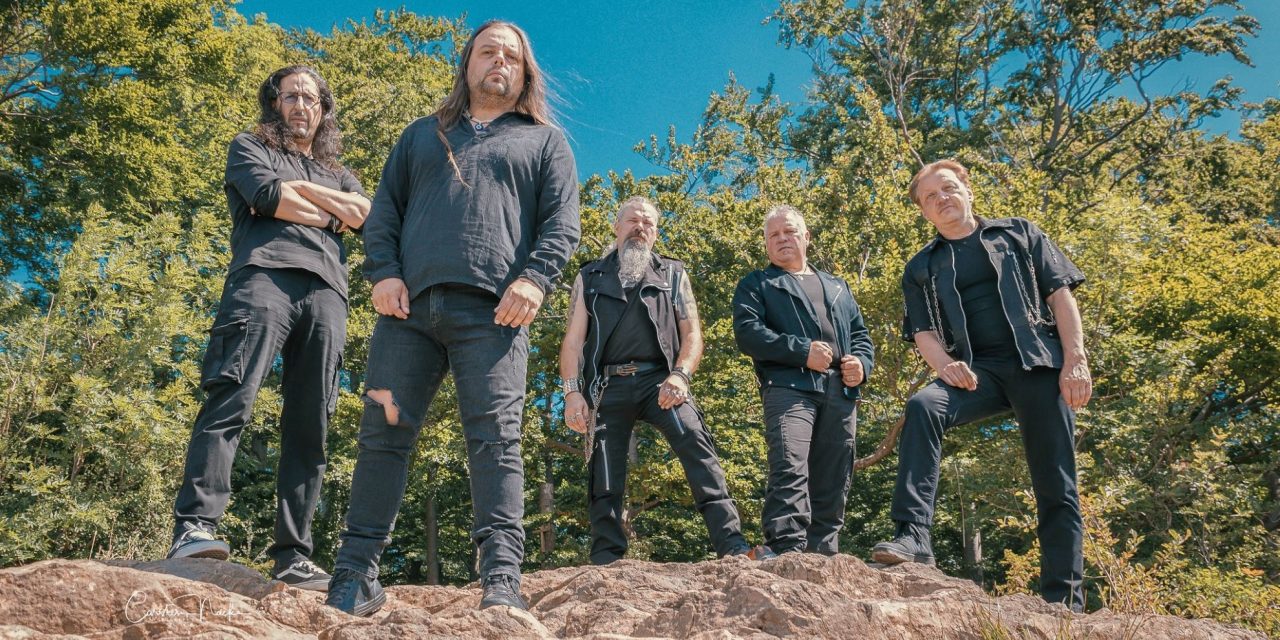
From Raided Land to Stronghold: Gus Monsanto’s Journey with Human Fortress
 From Raided Land to Stronghold: Gus Monsanto’s Journey with Human Fortress
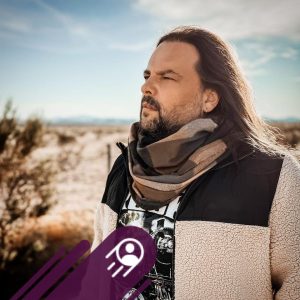
Whether fronting Germany’s Human Fortress or crafting soulful solo work from his studio in Rio, Gus Monsanto is a vocalist who thrives on emotional fire, global collaboration, and the kind of storytelling that turns metal into myth. In this exclusive Highwire Daze interview, Gus opens up about the making of Stronghold on Massacre Records, the long road back to live shows, and the deeply personal journey behind his solo album Dandelions. From pandemic pivots to ProgPower dreams, this is a conversation forged in passion, resilience, and pure melodic grit.
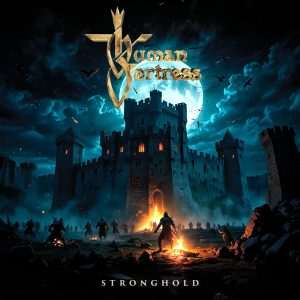
We are here with Gus from Human Fortress. First of all, let’s talk about the new album, Stronghold. Is there any overall story or concept behind the album title and the song “Stronghold”?
Well, the band has always been known for medieval stories and legends — people call us battle metal. I don’t write the lyrics myself, but I really invest emotionally in interpreting them. That’s the magic for me: bringing those great stories to life.
 With you in Brazil and the other guys in Germany, how easy or difficult is it to get together to rehearse and do shows?
We haven’t played live since before the pandemic. Normally I fly to Germany to record, but this time I built a studio in Rio and tracked vocals from home. I flew out for pre-production, but took my time recording. It was a different process, but it worked. We’ve been working together since 2011 — this is my fifth album with Human Fortress — so we’ve got a good thing going.
Has Human Fortress ever played here in the States or is that something you might be able to do with this new album?
I haven’t played the States with Human Fortress, but I’d love to. Maybe something like ProgPower — I played there with Adagio before. That kind of opportunity would be great. With this new album, we’re really pushing to get back out there. It’s been too long.
You released the compilation album Epic Tales and Untold Stories right in the middle of the pandemic. What was that experience like?
It’s not a new record per se, but it’s full of songs we were proud of. Todd Wolf writes a lot — we always have extra tracks. When we did Reign of Gold, some of my favorite songs didn’t make the final cut, and I was blown away. But they ended up on Epic Tales, and I’m so glad they did. It wasn’t just filler — those songs deserved to be heard.
And then of course, Reign of Gold came out December of 2019, which was a few months before the pandemic as well. Were you able to tour at all in support of Reign of Gold?
No, no, no, no, because of that. We had plans. We put a lot of energy into that album. It was the first time — not for the band, because he’d produced us before — but for me working with Tommy Newton. He’s done Helloween’s Keeper of the Seven Keys, UFO, and Burn the Sun by Ark, which is one of my favorites. It was a great experience working with him. I was super excited about going on the road, and then the pandemic hit. It was like a nightmare, man. I really hope we can make up for lost time this time.
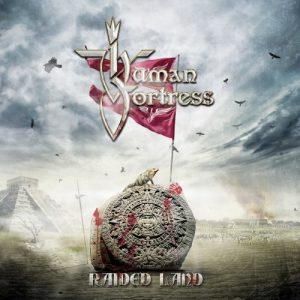 Your first album with Human Fortress was Raided Land, which also has one of my favorite all-time metal tracks on there, “Wasted Years.” Wow. When you look back on that album, Raided Land, and the first time working with Human Fortress, what do you think of it now in retrospect?
I’m super proud of that record still. It was meant to be — an Australian friend hooked me up with Human Fortress. They sent me a song to try vocals on, and it was a perfect fit right away. I love the music, but these guys are great people too. We became really great friends over the years. And it’s funny you mention “Wasted Years” — that was our first video together. But maybe my favorite Human Fortress track I’ve ever done is on that album is “Dark Knight.” That song is like metal singing in a capsule. And I’m glad, because when we look at platforms like Spotify, it’s always one of the most played. So maybe I’m not wrong after all.
I want to talk about some of your other projects. You’re on a project called Lord of Mushrooms on Lion Records. Tell me about that and how you became involved.
Wow, that was one of the best albums I’ve ever been involved with. Sometimes it’s just timing — I think that album was a bit ahead of the curve. It was the last album from the band, which was half Italian and half French. We recorded in Monaco, and it was really cool. Richard Chycki mixed it — he’s worked with Dream Theater, Aerosmith, Foo Fighters. And Travis Smith did the cover — he’s done Nevermore, Opeth, tons of stuff. We had this killer product. Vocally, I had to reach for every trick I knew — so many harmonies, and never just normal thirds and fifths. Always bizarre intervals, interesting time signatures. It was everywhere, but in a good way. I wish more people had heard it, but I’m super proud of it. It’s the album that took me the longest to record vocals for in my whole life, man.
You had another album released in 2023 called Foreword by Krysaor. Tell me about that album and how you became involved with the band.
Well, that band is still going. It was mostly this guy I know — the leader of the band — and he didn’t have a singer for the album. So I stepped in and did the vocals. We played the pre-show for Hellfest in France, and I think that was the only gig I did with them. It was more of a hired gun thing. I didn’t have any involvement in writing lyrics or concepts — just came in as the singer.
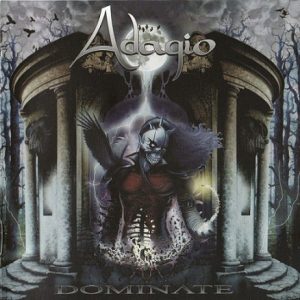 When you look back on the album you did with Adagio, Dominate, what do you think of it now in retrospect?
It’s funny — I haven’t listened to it in a long time. And lately I realized it’s been 20 years. Unbelievable. It feels like a whole lifetime ago. I’ve been getting messages on social media from people saying, “Hey, wouldn’t you like to do a video of those old Adagio songs we love?” So, I’m really considering re-recording some of that stuff, maybe making a short video just to see how it would sound now, with all the experience I’ve gained since then. Could be a nice, strange little trip.
On that album, you did a cover of “Fame” by Irene Cara. What made you guys decide to cover that particular song?
Stéphan Forté, the guitar player, wanted to metalize a pop song. His first idea wasn’t actually “Fame” — he wanted to do “Take On Me” by A-ha. I still have no idea how that would’ve sounded, because we never got to record it. But yeah, “Fame” was the one we ended up doing, and I really like that version. It’s its own thing — so different from the original.
And here’s a funny story: in France, there’s this guy called Nagy — big name on prime-time TV and radio. One morning I started getting all these messages like, “Hey, are you listening to Nagy?” Turns out he did a drive-time radio show about the worst cover versions of all time… and he spent ten minutes roasting our version of “Fame” to the whole of France. I mean, that was great advertising for us!
A lot of people would’ve been upset, but I was like, “Yeah man, bring it on.” Any press is good press — and it definitely got attention.
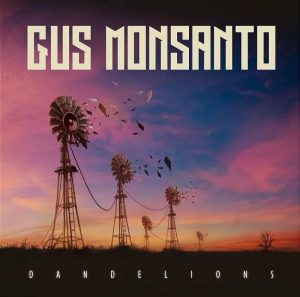 An album of yours that’s celebrating a one-year anniversary, I believe, is Dandelions — your solo album. Tell me a little about that and what made you decide to do a solo album at this point.
The solo album came out of being stranded after the pandemic. Before everything hit, I was actually planning to move to the U.S. — I’d been there in late 2019, auditioned for some gigs, and was seriously considering relocating. Then the pandemic happened, and I found myself in Rio thinking, “Okay, what now?” So I started building a studio, which took nearly two years.
During that time, I lost my dad. He was with me through most of the studio build, and we had a great connection during that period. Once the studio was done, I jumped straight into making the album. My brother calls it my Carlos Santana album — it was totally organic. I’d call up friends and say, “Come over for a beer, bring your guitar,” and we’d just play. A lot of musicians I admire came through, and it became this really personal, heartfelt record.
Funny thing is, I didn’t even look for a label. Then I got contacted by Kivel Records in the U.S., which specializes in hard rock and AOR. John Kivel was super interested in releasing it, and it came out late last year. It was supposed to be a small, personal project, but people really connected with it. I think when you pour your heart into something — when there’s emotion and a backstory — people feel that. I’m really happy with how Dandelions was received.
 So Stronghold is coming out. What’s next for Human Fortress?
I’m really looking forward to playing live with these guys. Stronghold has been written and recorded for a while — I tracked all the vocals here in Brazil. It was supposed to come out late last year, but Massacre Records went through a management change, so most releases got pushed to this year while they reorganized.
And while we were waiting on Stronghold, we already started working on the follow-up — even though Stronghold isn’t out yet! My German brothers are super prolific and organized. I just got back from Germany a couple of months ago, and everything’s already moving forward for the next album. We’re excited about the band and the future.
For me, the number one goal during the Stronghold cycle is to get out there and play live. More than anything.
Do you have any messages for Human Fortress fans here in the States who are reading this now?
I’d really like to thank everyone who’s been following the band, showing love, and listening to the music. I truly hope we can make it to the U.S. — it’s great to make music, but it’s even greater to play your heart out for people, shake hands, and tell them how much you appreciate them. I really hope we get that chance.
(Interview by Ken Morton)
Human Fortress on Instagram