





Lastout Ascend: The New Generation of Finnish Heavy Music
 Lastout Ascend: The New Generation of Finnish Heavy Music
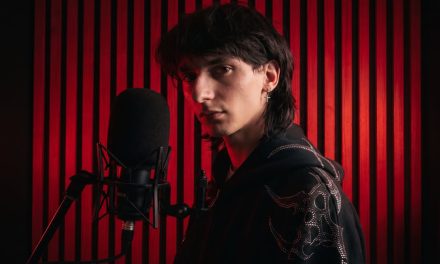
Finland’s Lastout may be young, but they’re already carving out a space in the modern heavy‑music landscape with a level of emotional honesty far beyond their years. Fronted by vocalist Asser Driouach, the band is preparing to release their most ambitious work yet — No Safe Way To Feel via Ranka Kustannus — a record that dives headfirst into the messy, unfiltered corners of the human experience. From the explosive early breakthrough of “The Endurer” to the aching vulnerability of “The Saint Will Say,” Lastout’s music captures the raw intensity of growing up, breaking down, and rebuilding yourself in real time.
Speaking from their hometown of Tampere, Asser opens up about the band’s evolution, the stories behind the new songs, the unexpected influence of musical theater, and the dream of one day bringing Lastout’s sound to stages far beyond Finland. What follows is a candid, thoughtful conversation with a vocalist discovering his voice — both literally and emotionally — as Lastout steps into their next chapter.
Where is the band based out of, and what is your local music scene like there?
We’re from Finland, and we’re all still in upper secondary school, so at the moment we’re based in Tampere. Once we graduate, who knows — maybe we’ll end up somewhere completely different. But right now, Tampere is home.
I’d say the scene here is really diverse. You’ve got everything from indie to rock to pop. But lately I’ve noticed metal and rock really rising again, especially among younger people. Gen Z — people my age, 18 to 20 — are getting more and more into heavier music. It’s cool to see that shift happening in real time.
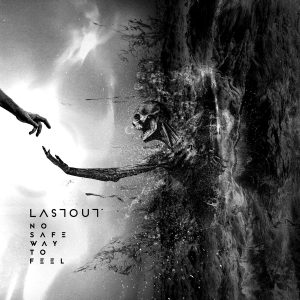 Your new album is titled No Safe Way to Feel. Is there an overall story or concept behind that title? What does it mean to you?
No Safe Way to Feel took us a while to figure out, because an album title has to mean something. It needs to capture the essence of the music. The title actually came from our drummer — he listened to the songs in order and said, “What about No Safe Way to Feel?” And we all immediately went, “Yeah. That’s it.”
The album is about the emotions you’re not “supposed” to feel — the ones people tell you to hide, or the ones you don’t give yourself permission to experience. They’re not always healthy or comfortable, and they don’t always guide you toward the right choices. But they’re real. And exploring those difficult, painful emotions is important. You should always aspire to feel, even when it hurts.
Let’s talk about a few of the songs on the album. I picked four. Let’s start with “The Endurer.” What does that song mean to you?
“The Endurer” — wow. Thinking back to that time feels crazy, because it’s been so long. It was one of the first songs we ever wrote, and it ended up being the second track we released. It was also the song that really blew up on YouTube and introduced us to listeners outside Finland.
For me, “The Endurer” is the perfect lead‑in to the album’s themes. It opens the door to the idea of feeling something you maybe shouldn’t feel. You’re having thoughts you don’t fully agree with, or emotions that scare you, but you can’t stop them. You’re trying to understand what’s happening inside you even when it feels wrong or overwhelming.
Next up: “Irate.” Tell me about that one.
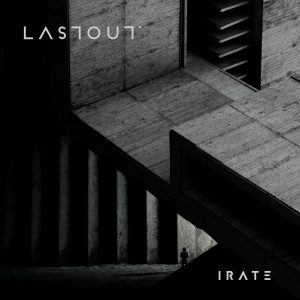
“Irate” was a big step for us — and for me personally. I’m not naturally a screamer or a harsh vocalist. I’m studying musical theater, so rougher vocal styles were totally new territory. “Irate” became this experimental space where I could push myself and figure out what it meant to channel raw emotion into my voice.
The song is literally about rage — about anger. At the time, both Oskari and I were dealing with heavy personal stuff. We were each carrying our own emotional weight, and “Irate” became the place to put it. It was the first song where we really said, “Okay, these feelings are huge and messy and maybe even scary… so let’s pour them straight into the music.”
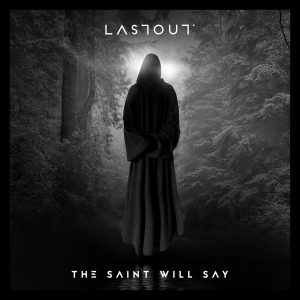 My favorite song on the album — and honestly one of your best — is “The Saint Will Say.” Congratulations on that amazing track. What was the inspiration behind it?
Thank you. “The Saint Will Say” is a really interesting song for us because it’s different from what we usually do. It’s more melody‑driven, more free‑form. I’m not belting — I’m singing in a softer, more lingering way that leaves space for the listener to sit with the feeling.
The song is about having an incredible, unfamiliar experience — something new and overwhelming — and trying to process it while the people around you want explanations. It could be friends, family, or someone special. They want you to define what you’re going through even though you don’t fully understand it yet. You’re experiencing it for the first time, but they’re expecting clarity.
There’s also this idea that people will always have something to say, and they’ll often want you to take responsibility for their feelings. So the song became about that balance: Are you being selfish, or are you protecting your peace? That’s what I was wrestling with when we wrote it.
And then you filmed the video solo. Tell me about that experience.
Yeah — so in Finland we have these matriculation exams that take place over about a year. They’re long, like six‑hour exams, and your results basically determine whether you can graduate. On the day we filmed the video, both Lauri (our bassist) and I had one of those exams. It was a totally last‑minute decision. We finished the exam, walked out exhausted, and said, “Okay… I guess we’re filming today.”
Honestly, I just wanted to go home. I was tired and mentally drained. But when we got to the location — this beautiful forest spot — everything changed. People always talk about reconnecting with nature, especially in Finland where the forests are so ethereal. I used to think that was something only older people said. But standing there, I finally understood it. It felt peaceful. It felt right. Suddenly I was like, “Yeah… this was worth it.”
Filming solo was definitely new for me. Singers are usually the focal point of a video, but this was only me — no bandmates to bounce off, no distractions. It felt strange at first, but also freeing. It gave me space to really say what I needed to say. When I’m around others, I can get goofy or lost in my own thoughts. But alone, I had to focus. I had to deliver the message because no one else was there to carry it.
Lauri did an amazing job filming and editing. We threw ideas back and forth, and I think the final video turned out great.
 Let’s jump to the end of the album: “I Hurt You, You Hurt Me Back.” Tell me about that one — and why it closes the record.
“I Hurt You, You Hurt Me Back” is the song we’re most excited about. As a band, we’ve talked about it a lot, and honestly, it might be our favorite song we’ve ever made.
As the title suggests, it’s about that kind of symbiotic — or maybe toxic — relationship where one person does something hurtful, and instead of forgiveness or taking the high road, the other person responds by doing the same thing back. It’s not about blaming the other person. It’s not about pointing fingers. It’s about reflection.
It’s about seeing yourself clearly, seeing the other person clearly, and realizing, “Okay, I did this. You did this. We’re both participating in this cycle.” You know it’s not healthy. You know it’s not what a relationship should be. But as long as both people keep reacting in the same way, the cycle continues.
That’s why it closes the album — it’s the culmination of all those complicated, uncomfortable emotions the record explores. It’s the final acknowledgment of a pattern you can’t ignore anymore.
As you’ve previously mentioned, you’ve done musical theater. What kind of roles have you played?
I actually got into musical theater in upper secondary school, and it’s been a great outlet for learning more about my voice. If you only sing one style or one genre, you limit yourself. Musical theater pushed me to explore different techniques.
My most recent production was Mustakissa — Le Chat Noir or A Black Cat. It was cabaret‑inspired, and it let me experiment with a more speech‑like singing style instead of the “beautiful,” belting approach. It was fun, new, and really useful for my growth.
Before that, I played Sky in Mamma Mia, which was my first musical theater role. That feels like forever ago now, even though it was only about a year and a half back. And then for my music diploma, I performed as Christian in Moulin Rouge, the lead role. That one was huge for me — probably the most important role I’ve ever done. It gave me confidence, but also the realization that you can never stop learning. You can be good, but you should always strive to be better. That role really lit that fire in me.
 There are so many great musicals out there. Is there one you haven’t done yet but would love to do someday?
There are so many. Ever since I was a kid, I’ve had this almost unhealthy fixation on The Prince of Egypt. The music, the storytelling — everything about it is incredible. I’ve never seen a stage production of it, but I’d love to be part of one.
I’d also love to do Aladdin — honestly, anything by Disney or Alan Menken would be amazing. And here in Tampere, the theater is doing Wicked professionally. I’m not in it, of course, but Wicked is one of those shows that just hit me hard when I saw it. I love it deeply.
What about rock operas like Phantom of the Opera or Tommy?
Okay, so I don’t know if people will get mad at me for saying this, but when I was younger, I wasn’t a huge fan of Phantom of the Opera. I didn’t understand opera, or how difficult operatic singing actually is. When you’re a kid, you sometimes dismiss things you don’t understand.
But as I’ve gotten older, Phantom has become one of the shows that would challenge me the most — vocally and as a performer. It’s incredible. And yes, I think it’s one of the longest‑running Broadway shows ever, which says a lot.
Back to Lastout — is there any chance of you playing shows in the States someday?
That’s definitely the dream. We’d love to tour, especially once the guys finish their army service. That’s something we’ve been working toward. We’re thinking we’ll probably start with a Finnish tour, then move outside the country. But yes — playing in the U.S. has been on our minds for a long time.
What are you looking forward to most about your show with Beyond Awareness at the Olympia? That’s actually where I discovered you.
That’s amazing to hear. What we love about Beyond Awareness is that we share a similar listener base. Their fans will probably love us, and our fans will probably love them. And since the show is in Tampere — our hometown — it’s always special to perform for people who know you or grew up around you.
And then you have another show, the Semi‑Finals with Lust for Lily. Tell me about that one.
Yes — that show with Lust for Lily is actually our album release party. We’re really excited for it. It’s our first headlining show, which feels surreal. We’ve been working on this album for such a long time, and now we finally get to perform it live, in full, in front of people. It’s hard to even wrap my head around it. We’re practicing constantly to make sure it’s something special.
Last question: Do you have any messages for Lastout’s U.S. fans who are reading this now?
A huge thank‑you. Thank you for believing in us and not giving up on us, even when we’ve had breaks between releases. We appreciate everyone who has stuck around and supported us. We love you, and you’re the reason we’re still making music. It’s been a long journey, but one we’re incredibly grateful for. We hope you stay with us for a long time.
 In Conclusion
As Lastout prepare to release No Safe Way To Feel, it’s clear the band is stepping into a defining moment — not just musically, but personally. Their songs carry the weight of real experiences, real growth, and real vulnerability, all filtered through the voice of a frontman who refuses to shy away from the harder truths. Whether he’s navigating the emotional storms behind tracks like “I Hurt You, You Hurt Me Back,” or pushing his vocal boundaries through musical theater, Asser Driouach is an artist in motion — learning, evolving, and daring himself to feel everything.
With a hometown release show on the horizon and dreams of touring far beyond Finland, Lastout stand on the edge of a new chapter. And if the passion behind this album is any indication, No Safe Way To Feel is only the beginning of what they’re capable of. For fans discovering them now — and for those who’ve been waiting patiently — the journey ahead looks powerful, honest, and full of promise.
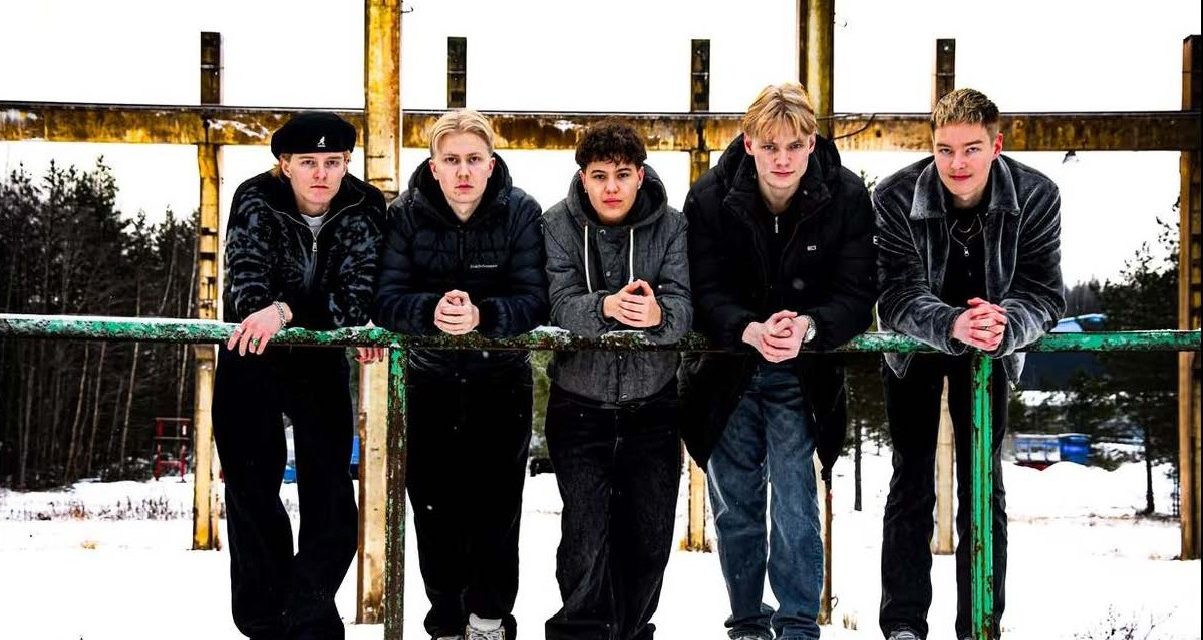
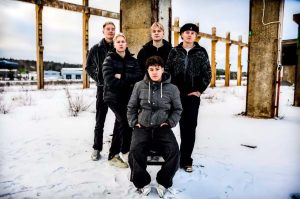
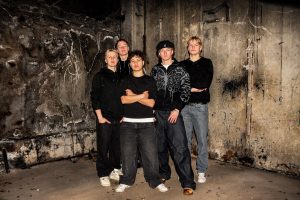
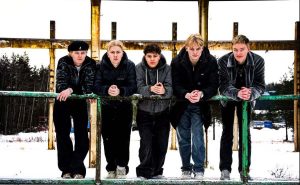
Last Out is Asser Driouach – vocals, Oskari Saikkonen – guitar, Lauri Länsisalo – bass, Jan Mäkiharju – drums, and Frans Kyösti – guitar)!
(Interview by Ken Morton)
Lastout on Instagram