Niflheim Rising — FEJD’s Esko Salow on Rebirth, Reflection, and the Road Ahead
 Nifelheim Rising — FEJD’s Esko Salow on Rebirth, Reflection, and the Road Ahead
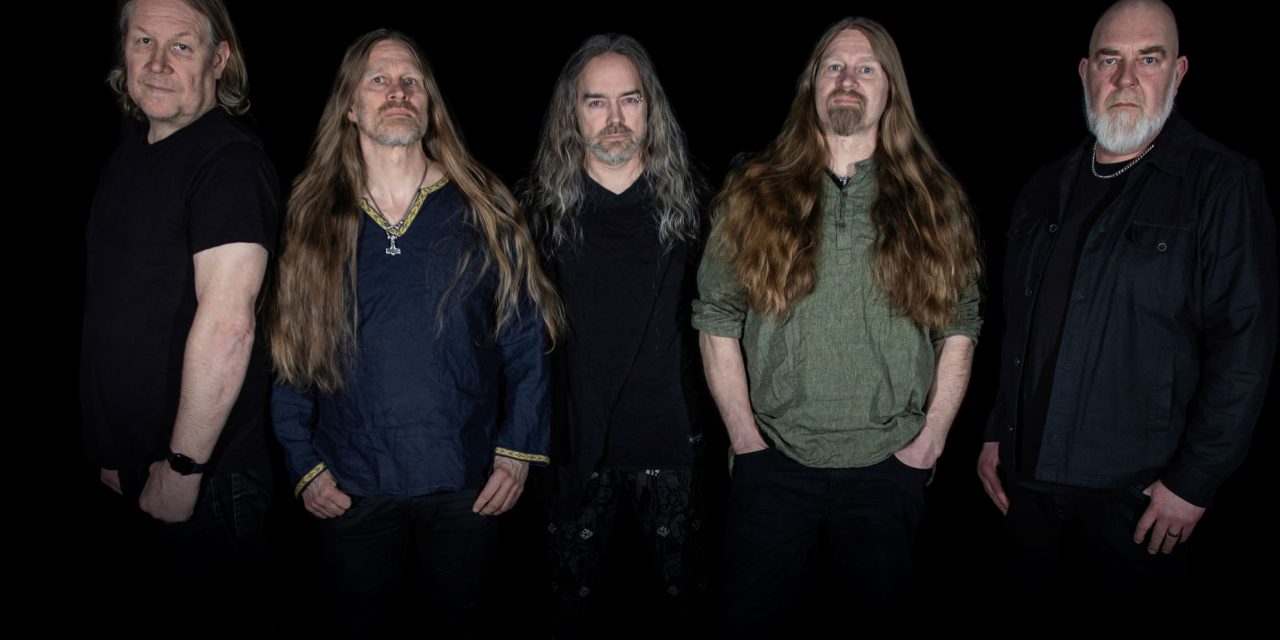
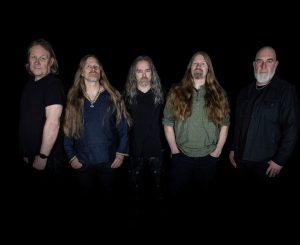
Two decades into their journey blending Nordic folk tradition with heavy metal power, Sweden’s FEJD return with Nifelheim via Black Lodge / Sound Pollution — their first album in ten years and a testament to perseverance, craft, and brotherhood. Speaking from Trollhättan, Esko Salow reflects on the band’s long road back, the strength of Sweden’s evolving metal scene, and the personal and professional challenges that shaped the years between releases. From early days in Pathos and Nostradameus to festival stages like Wacken and Månegarm Open Air, Esko’s story is one of resilience, passion, and a deep love for the music that continues to define his life. This conversation offers a rare, candid look at FEJD’s past, present, and future — and why the band’s next chapter won’t take another decade to arrive.
Where are you based, and what is your local metal scene like these days?
We’re based in Trollhättan on the west coast of Sweden, about an hour north of Gothenburg. The metal scene here is actually great. In the same building where we rehearse, you’ll find The Crown, and also Sarcator — that’s Marco from The Crown’s son and his band. They’re moving forward really fast now. We also have Abandon Agony and a handful of other bands. So there’s quite a strong scene in our building alone.
It’s much better now than it was ten or fifteen years ago. And of course, we have the Gothenburg scene just an hour away — still very much alive and kicking. Overall, the Swedish metal scene is growing again. After a couple of slower decades, there’s a new wave of young thrash bands, death metal bands, progressive bands… it’s looking good.
It’s been ten years since the last FEJD album. Why such a long wait between releases?
I know the pandemic played a part. A lot of things happened. We parted ways with our guitar player after Trolldom because we didn’t share the same vision for the music anymore. We had already written a lot of material, so we had to rearrange many of the songs since they were more guitar‑based.
Then COVID hit, of course. And honestly, not everyone in the band was on the same page during that period. We needed to find our way back to each other and figure out how to work together again.
The funny thing is, we’ve had so many songs for years. We could easily have recorded one, two, maybe even three albums during this time. But… we’re old and slow now.
There’s finally a new album coming — Nifelheim. Is there an overall story or concept behind the title or the song?
There’s no concept for the album. It’s a collection of individual songs. Nifelheim is obviously inspired by old mythology and Viking‑era sagas. We have a couple of songs connected to that world, but not all of them. So it’s not a thematic album — just songs that stand on their own.
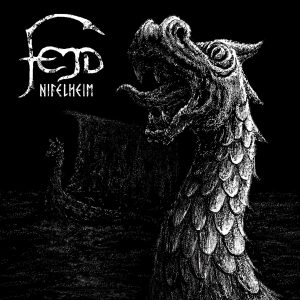
Nifelheim by FEJD
You’ve got a great show coming up with Grimner, where both bands will be celebrating album releases. What are you looking forward to most about that night?
Grimner are guys we’ve played with many times before, and they’re always a happy bunch. We have a lot of fun together. We’ve done shows like this before, and since both bands have new albums, it made perfect sense to team up again.
It’s probably more fun for the audience too — more bands to watch, more energy. It’s a cool thing.
I’ve been a fan of Månegarm since the first album, and now they have their own open‑air festival. What are you looking forward to most about playing Månegarm Open Air?
This will be our third time playing there. It’s a small festival — maybe around two thousand people — and I really like that. Smaller festivals give you a better connection with everyone. It’s tighter, more intimate, almost family‑like.
They also book very good bands every year. We know Månegarm well; we’ve met them many times throughout the years. It’s always great, and we’re really looking forward to it.
Another festival I’ve always wished I could attend is Wacken. You’ve played there at least once — what was that experience like? Wacken is huge.
It’s almost like a town. When they first had the idea of starting a new stage for folk metal bands, we were one of the first bands to play it — actually the very first band on that stage. That was in 2009. It was a small stage then, and we didn’t expect much, but it was crowded already during soundcheck.
We played again in 2013, and by then the stage had grown into a much bigger setup with a larger audience capacity. It was fantastic.
The festival as a whole is very well organized — at least from the band perspective. You have people taking care of you, guiding you to interviews, stages, everywhere you need to be. It’s extremely well run.
Has FEJD ever played in the States, or is that something you’d like to do?
We would absolutely love to play in the States, but it’s very difficult. It’s a big machine to organize — costly, lots of paperwork, and you really need a full tour or several festivals to make it worthwhile.
It’s a childhood dream for me. I’ve always wanted to play there with all the bands I’m in. But not all dreams come true.
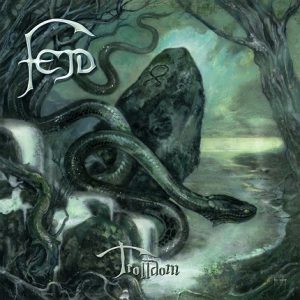
Trolldom by FELD
When you look back on the three albums you released with Napalm Records, what do you think of that time now?
Napalm is a great label. We always had good communication, and they did everything on schedule. Payments, deliveries — everything was correct. They’re big in our scene, so they were absolutely the right choice for us at that time.
I actually contacted them about releasing our new album, but we’re too small for them now, so they weren’t interested. But they reached out last week wanting to re‑release our first album with them on vinyl, which is very cool.
I like Napalm. Really good people.
I wanted to talk about a few album anniversaries. Let’s start with Trolldom, which is already ten years old. What do you think of that album now in retrospect?
To begin with, the sound of the album is really poor. It didn’t turn out the way we wanted. I still like the songs — I can listen to them and think they’re good — but the sound didn’t represent what we were aiming for at the time.
We always wanted to try an album with electric guitar, just to see where the music could go and what would happen to our songs if we added that character. It was the right step at the time, and even though we later parted ways with the guitar player, it’s not a step we regret. We’ll probably do it again, but we won’t add another member. We’ll do it ourselves.
Patrik will have to switch his bouzouki to electric guitar on some songs. He already has a few tracks for the next album where he wants to play electric guitar, so it’s definitely not ruled out.
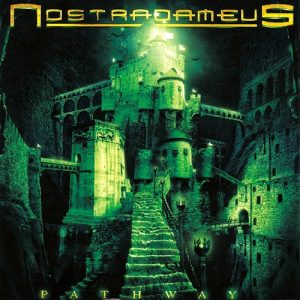
Pathway by Nostradameus
Now let’s go back nearly twenty years — Pathway by Nostradameus. It’ll be twenty years old next year. What do you think of that album now?
I didn’t even think about it being twenty years, but now that you say it… that’s a long time. And honestly, it’s sad, because it’s a great album. I wish more people had heard it, and I wish things had gone differently for Nostradameus. I think we deserved more than what came to us.
The label situation didn’t work well. Starting with our fourth album, we had to wait a very long time before releases. Sometimes the album was finished — mixed, mastered, artwork done — and then it took a year or even two before the label decided to release it. So instead of being early with new ideas, people thought we were following others, which wasn’t true. It was a label issue.
I really think the last two Nostradameus albums were very good. They deserved much more attention.
And that band had three Pathos members in it, right?
Yes, three Pathos members. A lot of the songs on Illusion’s Parade actually started as ideas for Pathos when we were playing together.
Speaking of Pathos — Hoverface turns thirty next year. That’s when I first interviewed you. What do you think of that album now?
It’s a time capsule of where we were then. I think it’s a good album, though we could have done it better. We actually recorded a demo before the album, with a different guitar tuning. Then we decided to tune lower for the album, and that didn’t really suit our singer Stephan.
The demos sounded fantastic because they were in the right range for his vocals. In retrospect, when I compare the album to the demo, I think we shouldn’t have tuned down. We should have let Stephan shine. But I still think the album is good. It could have been tighter, with better sound, but it was our first recording in a new studio with a new technician and producer. It’s okay — it represents that moment in time.
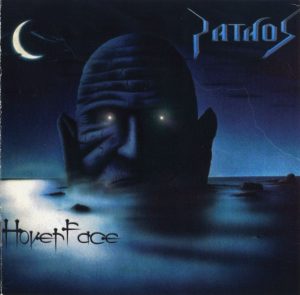
Hoverface by Pathos
That album was released on Black Mark, which was a legendary label back then. What was it like working with them? Did you ever meet Quorthon of Bathory?
No, we didn’t meet him. Black Mark was a cool underground label, and it felt great to sign with them at the time. But when we released our second Pathos album, Börje — the manager — didn’t think the sound was rough enough, so he didn’t want to release it. We had to find other options.
It was still cool to have worked with them, even though everything was mostly handled over the phone. I never met Quorthon or Börje in person.
Would you ever want to reunite Nostradameus or Pathos for another album?
I don’t know if I have the physical ability anymore. When I rehearse, I still play songs from both Pathos and Nostradameus to stay in shape, but doing a full show — an hour or more — I don’t think I could manage it without a lot of training.
We’ve talked about reunions from time to time, but if every member isn’t fully committed, there’s no point. It has to be the same guys, all in.
Are you currently involved with any other bands or projects we haven’t discussed?
No, not at this time. It’s only FEJD now. I’ve had offers to join other bands, but I’m fifty‑five, I have a family, children, a day job… it doesn’t fit my life anymore. I don’t have the dream of becoming a rock star like I did thirty years ago. I still enjoy playing and doing shows, but the goal of being a big rock star — that’s gone. I’m satisfied with how things are.
With the new album coming out, will we have to wait another ten years for the next FEJD release?
No. We’ve already talked about doing everything faster — maybe two years, or at most three, but not ten. We have songs. We just need to arrange them, rehearse them, and put all the pieces together. The material is there; we just have to work on it.
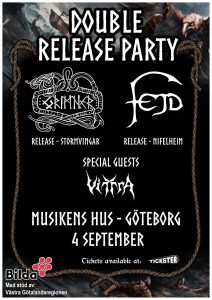
Fejd and Grimner Double Release Party
Last question — do you have any messages for FEJD fans here in the States, or for new fans discovering you for the first time?
Listen to us, buy the albums, and demand us at festivals and concerts so we can get a chance to come over and play. We would love to perform in the USA, but we need demand. We need people asking for us before we can take that step.
Buy the stuff, listen to the stuff, and ask for us.
In Conclusion
FEJD’s legacy has always been rooted in authenticity — a commitment to tradition, melody, and emotional weight that sets them apart in the folk‑metal world. As Nifelheim ushers in a new era, Esko Salow stands grounded, grateful, and energized for what comes next. Whether revisiting the early days of Pathos, reflecting on the underrated brilliance of Nostradameus, or dreaming of one day performing in the United States, Esko’s passion remains unmistakable. With fresh material already in motion and a renewed sense of unity within the band, FEJD’s future looks bright — and fans old and new have plenty to look forward to. Demand them, support them, and keep the fire burning; FEJD’s saga is far from finished.