






Ghosts, Grit, and the Inner World: Inside Demi the Daredevil’s New Era
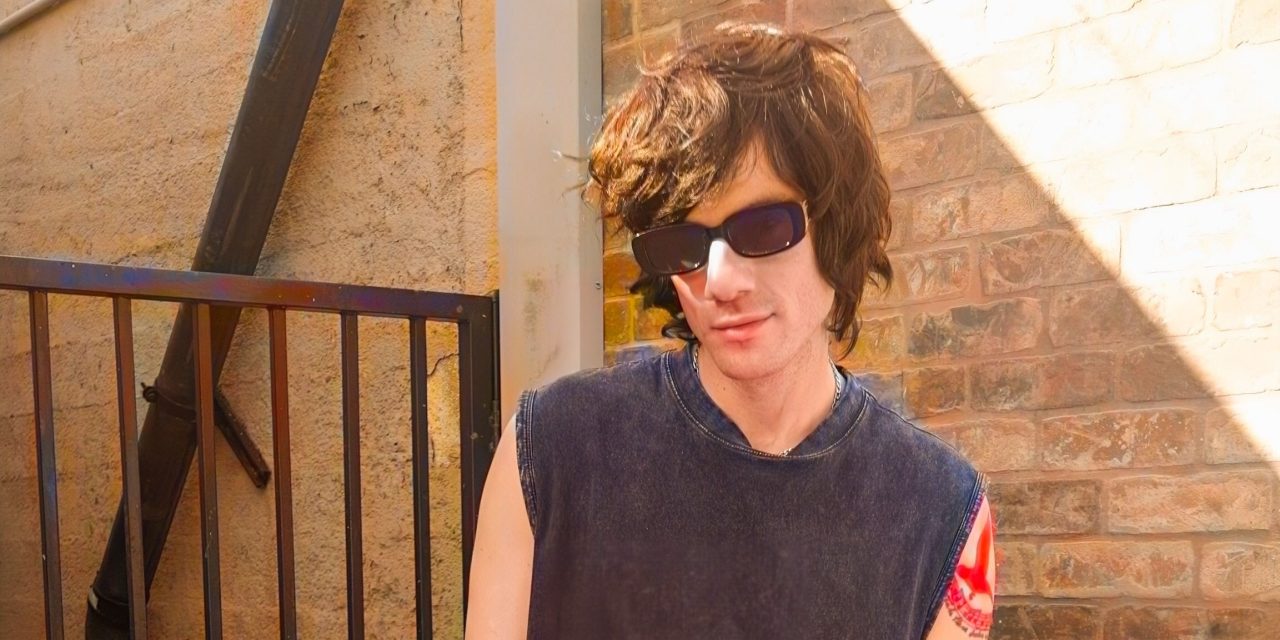
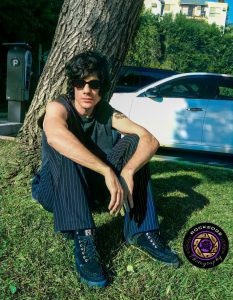
Photo Credit: Karen Burleigh of Rock Edge Photography
Ghosts, Grit, and the Inner World: Inside Demi the Daredevil’s New Era
On a warm afternoon on the Sunset Strip, just steps from the Whisky a Go Go, Jeff Azar settles into a corner table at the Coffee Bean — a fittingly unglamorous spot for a conversation about trauma, rebirth, and the strange alchemy of turning pain into art. As the creative force behind Demi the Daredevil, Jeff carries the weight of a band shaped by loss, legacy, and a relentless search for identity. His new EP, Vanishing Point, dives headfirst into that journey: childhood wounds, societal pressure, dissociation, rediscovery, and the spark of self that refuses to die.
Over the course of our conversation, Jeff opens up about the late Jovan Ortiz, the band’s original vocalist; the emotional and psychological terrain that shaped the EP; and the catharsis of performing these songs live — including a bucket‑list night at The Whisky. What emerges is a portrait of an artist who has clawed his way back to himself, and who hopes his listeners can do the same.
We’re here with Jeff from Demi the Daredevil. First of all, where are you based out of, and what’s your music scene like there?
I’m based out of El Paso, Texas. The music scene there is interesting — that’s where At the Drive-In and The Mars Volta came from, so it had this angsty, emo‑leaning rock energy. Kind of like Taking Back Sunday vibes. We were one of the few pop‑punk bands in that environment, so we didn’t really fit in. At our first show, they literally turned the lights out on us. Definitely memorable.
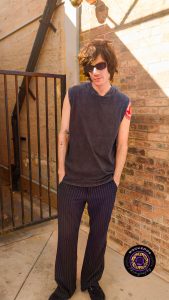
Photo Credit: Karen Burleigh of Rock Edge Photography
You aren’t actually the original vocalist of Demi the Daredevil. Jovan passed away. Tell me a little about that. What made you decide to keep the band going?
I wanted to keep his legacy alive — mainly for his family. I thought about changing the name, but I wanted him to live on through the project, so I kept it. Vanishing Point was the first time I wrote a song specifically about him, just honoring him and reflecting on the impact he had on me. I never would’ve discovered what “good taste” in music was without him. He was such a connoisseur, and so talented.
The EP title suggests themes of escape, perspective, or disappearance. Tell me about Vanishing Point and what that title means to you.
For me, it’s about losing touch with yourself. The EP is kind of an origin story — a prequel, actually — even though it was written after the following album. I talk about different kinds of trauma: childhood trauma, career or professional‑system trauma, peer‑group trauma, bullying at school… all these things that slowly make you realize you’re not living for yourself anymore. You’re living someone else’s life.
Then there’s that spark — that first personal encounter or experience that reminds you of who you really are. Vanishing Point is ultimately about losing the self and then rediscovering that first spark of identity.
For new listeners discovering you through the EP, how would you describe where you’re from and how it shaped your artistic identity?
I come from what I’d call an emotionally underprivileged background. Not the best schools, not the best neighborhoods. There’s a gritty, punk, DIY survival element in what I do — it’s raw and real. Sometimes it’s heavy for people, but those who had a late start in life or feel like late bloomers tend to resonate with it.
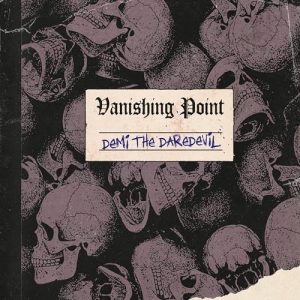
Vanishing Point by Demi The Daredevil
Let’s talk about some of the songs. We’ll start at the beginning: “Cursed Home,” with AViVA. Tell me about that song and your collaboration with her.
AViVA was super cool. I reached out to her — just sent a DM saying I’d discovered her stuff late and thought it was awesome. She actually suggested doing a collab. She was generous about it, like, “Send me the track and I’ll hop on a verse.”
I had this song that fit her vibe perfectly — a dark, twisted lullaby. It sounds almost nonchalant and sweet, but it’s about severe childhood trauma. Lyrically, it was probably the most painful song to write. I’ve talked about religious trauma before, but this one uncovered another layer — memories that were hard to revisit.
“Gone With the Dead.” Tell me about that one.
Since I started out as a drummer, that song began with the beat — just a little voice memo. It’s super active, lots of snare rolls. I was in drumline, so I was really happy with how the beat turned out.
I made the music first, and then I had to figure out what it was about. It ended up being about my adolescent years — going to school and being hated or seen as a threat just for trying to be myself. When you’re young, nobody knows who they are, so if you do try to be yourself, people think it’s weird. You romanticize it later, but at the time it’s rough. Trying to be yourself, and everyone hates you for it.
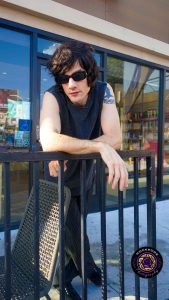
Photo Credit: Karen Burleigh of Rock Edge Photography
“Machine City” — tell me about that one.
For “Machine City,” I was actually thinking about Jesus of Suburbia by Green Day — how Billie Joe Armstrong describes a character and a whole scene from this bird’s‑eye view. I wanted to try writing in third person, and that’s where the character started forming.
I imagined this kid — this traumatized boy who doesn’t know himself yet — growing up in the Mexican ghetto with no real guidance. He looks lost, and people start circling him, offering “easy routes” in life. Not that there’s anything wrong with the army or anything like that, but when you’re young and unsure, people can convince you that the paved, predetermined path is the only way out.
The song is about that pressure — from relatives, from society — but also about resisting it. It’s defiant. It’s me processing that experience of being pushed toward a life that wasn’t mine.
“Autoplay to Funeral.”
“Autoplay to Funeral” is what happens after those traumas stack up — when you take the wrong turn because you’re not listening to yourself. For me, that was ending up in a college major I didn’t love. I’d wake up with this heavy feeling in my chest, unable to get out of bed, thinking, I can’t go on without meaning anymore.
I couldn’t white‑knuckle my way through life anymore. I was trying medications with a psychiatrist. It was a really hard time. The song is about realizing life is passing you by and not wanting to regret living someone else’s life instead of your own.
And then we get to the last song, “Blackbird July.”
“Blackbird July” is another song about Jovan. Writing it helped me open up memories I hadn’t let myself revisit. He was the first person who really saw me — who made me feel like I was allowed to be myself. That encounter was so meaningful and pure.
The song closes the EP because it represents finding that spark — the spark of who I really am — before the next album. It’s about holding onto something beautiful and true, something that can defy all the trauma we go through.
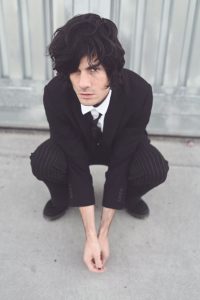
Photo Credit: Madeleine Hanlon Azar
Have you performed any of the Vanishing Point tracks live yet? How did the audience react?
Yeah, I have. I think people really love them. I only got to play “Autoplay” live at the last three shows, but people were super into it. I play “Cursed Home” and “Machine City” every night.
The crowd especially loves the “I’m seeing humans but not humanity” part — I get everyone to scream it with angst. I’ll yell, “Alright, everyone say ‘fuck the system!’” and the whole room goes off.
And since the tour was basically “trauma‑core,” I’d ask, “Who here has extreme childhood trauma?” and everyone would raise their hands. I’d be like, “Yeah, you would too — so you get it.”
The American Zombie Tour brought you together with Rudy Wade. How did that collaboration come about?
Rudy saw me posting about the tour we were putting together — I think it was already called the American Zombie Tour at that point. He knew Ethan Gander, who I was touring with, and reached out like, “Hey, that’s cool you’re doing this.”
I asked if he wanted to hop on because we had an extra slot. Later, my manager suggested doing a collaboration track with four artists — which sounds like a lot, but it ended up being really cool. I’d never done a tour and then released a song tied to the tour before.
What is an “American Zombie”?
I reference it in “Autoplay,” actually — the idea came before the song. An American Zombie is someone who’s out of touch with themselves. Someone living someone else’s life. You’re like a ghost, a stranger to yourself. It’s dissociation — drifting through the motions without being connected to your passion or your own thoughts.

The American Zombie Tour 2025
One of your stops on the American Zombie Tour was right down the street at the Whisky. What was it like playing such an iconic nightclub?
Oh, that was so sick. You were there, right? Yeah — it was so cool. Coming from Texas, then moving to LA, and suddenly you’re in places like The Viper Room or The Whisky… you feel the history. You see all these photos of the greats who played there. There’s an energy in those walls. Playing a venue with that kind of legacy feels totally different from playing a brand‑new place with no history. Maybe it’s in my head, but I felt it. Definitely a bucket‑list moment. And a lot of fans came out — it was special.
Do you plan to tour for this new EP?
That’s the plan. You know how the music biz goes — things fall through all the time — but right now we’re looking at two possible tours. We’re trying to figure out how to make March and April work. I’ll probably be opening, maybe headlining a few shows on the way up to Canada, potentially. And there’s talk of an international tour if it comes together.
What would you like a listener to take away from hearing Vanishing Point for the first time?
Hold on to your humanity. We all grow up, but that doesn’t mean we have to give that up. I think there’s this misconception that becoming an adult means denying yourself. I hope people can hold onto that pure inner world — the part of you that’s precious — even while you’re making ends meet.
What’s next for you in the new year?
I’m learning that touring takes away from studio time, so if the tours happen in March and April, I really want January and February to be studio months. The plan is: studio early in the year, tour in the spring, maybe release something in the summer, and then do one more tour in the fall.
Any message to your fans who are reading?
I love you guys so much. Thank you for making me feel like I matter. I hope I make you feel like you matter too.
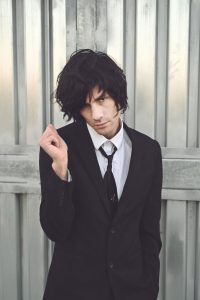
Photo Credit: Madeleine Hanlon Azar
IN CONCLUSION
As the sun dipped behind the Strip and the late‑afternoon noise of Sunset Boulevard hummed around us, Jeff gathered his things with the same quiet intensity he brings to his music. Vanishing Point isn’t just another EP — it’s a map of the inner world he fought to reclaim, a testament to the people who shaped him, and a reminder that even in the darkest corners of trauma, there’s a spark worth protecting.
Demi the Daredevil has always lived at the intersection of vulnerability and theatricality, but with this release, Jeff steps into a new kind of clarity. He’s not just telling stories; he’s tracing the path back to himself — and inviting listeners to do the same. Whether he’s screaming “fuck the system” with a room full of fans or quietly honoring the memory of Jovan, his message remains constant: your humanity is worth holding onto.
With new tours on the horizon, more music in the works, and a growing community that sees themselves in his songs, Jeff Azar is entering a defining chapter. If Vanishing Point is the prequel, then what comes next promises to be the full‑color awakening.
(Interview by Ken Morton)
Demi The Daredevil on Instagram