





The Wild West of Metalcore: Across Five Aprils Look Back and Ahead
 The Wild West of Metalcore: Across Five Aprils Look Back and Ahead
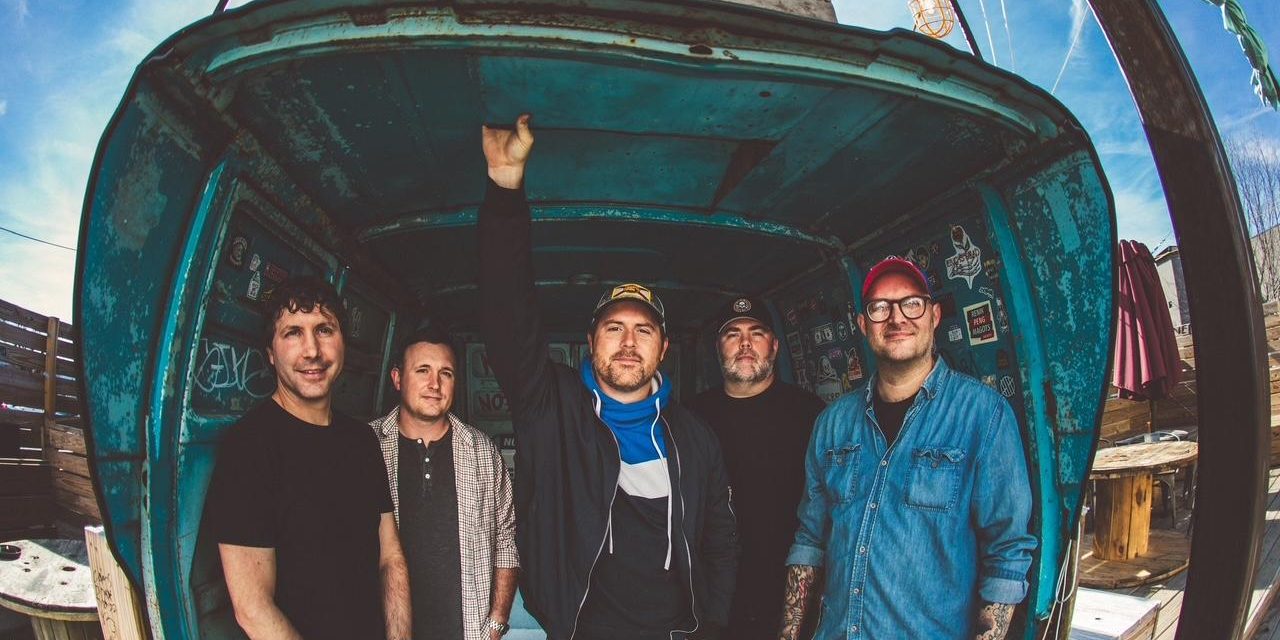
Two decades after Collapse first carved its place into the metalcore landscape, Across Five Aprils are experiencing something few bands from their era ever get to feel: a genuine second life. What began as a one‑off reunion has evolved into a renewed creative spark, fueled by nostalgia, maturity, and a fanbase that never stopped caring.
Frontman Brandon Mullins—now a full‑time teacher, father, and still very much a performer at heart—reflects on the band’s unlikely return, the friendships that shaped their early years, and the new music quietly taking shape behind the scenes. From the chaos of the early 2000s hardcore scene to the surreal experience of fans bringing their kids to shows, Mullins speaks with honesty, humor, and a deep appreciation for the community that made A5A possible.
What follows is a conversation about legacy, growth, and the enduring power of heavy music to connect people across generations.
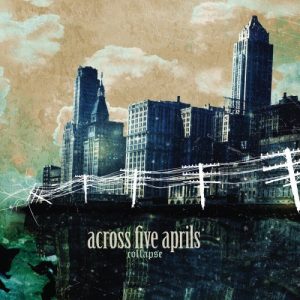
We’re here with Brandon from Across Five Aprils. It’s been a long time since I’ve interviewed anyone from this band, so let’s jump right in. First, the 20‑year anniversary of Collapse. When you look back at that album hitting the 20‑year mark, what memories or emotions come up first?
When I read that you wanted to talk about the anniversary, it honestly took me a second to process that we’re really approaching 20 years. It took me back—like, I can still picture being on the floor at Earthsound Studio recording that record. It was a lot of fun. At the time, we weren’t thinking, This has to last two decades. We were just trying to survive the moment.
It was my first record with the band, so there was definitely a part of me that felt like I needed to prove something. I wanted to honor what A5A had always been, but also put my own spin on it. Making that record was just a great experience.
The fact that people are still listening to it—and that kids still come to shows and sing along to songs we wrote 20‑plus years ago—means a lot. It’s humbling.
 Absolutely.
It’s wild seeing people who came to our shows 20 years ago now bringing their kids. That’s wonderful… and it definitely makes you feel your age a bit. But we’re incredibly grateful that anyone still cares enough to show up.
The songs hit differently now. I’m 43, a father of two, married—very different from the twenty‑something who wrote that record full of angst and a little naïveté. But I’m proud of it. I think it still holds up. When we play those songs now, it feels less like nostalgia and more like a reunion.
Speaking of reunions—the band’s return. What sparked the decision for Across Five Aprils to come back after so many years?
We’ve always loved making music, and we always tried to keep that creative spark alive. We’d done a couple of small reunions just for fun—mainly excuses to hang out. Then some friends who run Furnace Fest invited us to be part of their big return year.
We were stoked and humbled. It meant a lot to be on a stage again with bands we grew up with and looked up to. When we started rehearsing, it felt like being young again—just hanging with your guys.
When we finally played the show, everything clicked. It sounded good, it felt good, and honestly the turnout for our set was bigger than we expected. Afterward we looked at each other and thought, Maybe there’s something here. Clearly people still wanted to hear this kind of music, and there was still a place for us.
So now we’re intentional about it. We play maybe three or four shows a year. It’s not like 20 years ago when we’d take any show just to get on a tour. Now we look at each show individually—who we’re playing with, whether we love the lineup, whether we like the market. It’s become a great excuse to hang out with friends and family again. And it’s been a lot of fun scratching that creative itch.
How has the dynamic between the band members changed—or stayed the same—since the early days?
We still love each other, but we’re all further along in our careers and pretty set in our ways. Getting us to agree on anything can feel like pulling teeth sometimes. Everyone has their own picture in their head of what they want the band to be.
In our careers, we’re used to running our own worlds. But when we come together, it’s a collaborative thing, and we all have our own ideas about how things should sound or look. It’s fun, but it definitely comes with ups and downs.
Even something simple like agreeing on a merch design can take forever because our personalities are all so different. But at the end of the day, we care about each other and we care about this band. We put real effort into it. And honestly, I’ve loved stepping back into those old shoes.
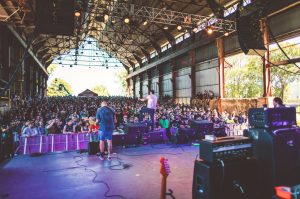 What was going through your mind when you hit the Furnace Fest stage for the first time with Across Five Aprils after so many years?
We were asked to play a pre‑show in addition to the actual fest, and that really helped shake off the jitters—questions like, Are we going to sound okay? Will anyone care? That pre‑show sold out quickly, so once I got past the mental block of Do people still care? it became fun again.
When we finally hit the Furnace Fest stage, it just felt right. Honestly, it felt like validation. I don’t need to be on any list or pedestal, but out of all the hardcore bands out there, we were asked to play that first year back. That meant a lot. We put so much into this band, and being on that stage with our peers—bands we grew up with—felt like we belonged.
It didn’t feel like just another show. It felt like coming home. Everywhere we turned, we saw people we’d toured with, crashed with, traveled to Europe with. It was like a giant high‑school reunion for the scene. Once the nerves were gone, it felt like kismet that we were part of it.
One of the bands you recently played with was Glory of This—who I honestly never expected to see again. What was that experience like?
We’re really intentional about the shows we take now, but I’ve stayed in touch with James forever. He’s a solid guy, and he’s been busy doing this hardcore/emo/indie cover project that he’s absolutely crushing.
Glory of This, Secret Lives of the Freemasons, The Burning Season, Calico System—those were the bands we toured with more than anyone. We lived on the road with those guys. So when James reached out, it was a no‑brainer.
I’m from Panama City, and they’re from the Fort Walton/Pensacola area, so it felt like a hometown reunion in a lot of ways. Seeing them on stage again took me right back to those early tours—watching each other play every night. And James hasn’t lost a step. It was a blast.
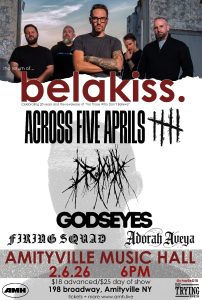 I recently interviewed Bela Kiss, which actually gave me the idea to reach out to you guys. I believe you’ve already played a show with them and have another coming up. What has that been like?
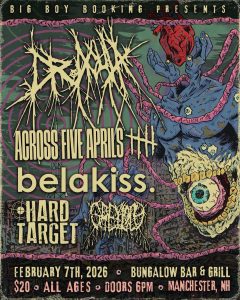
We actually haven’t played with them since they got back together. They invited us to their first show back—we’re doing two dates with them. The first is in Long Island, which is basically their big return party and record‑release hometown show. Then the next day we’re playing with them up in New Hampshire.
They were one of the bands we connected with deeply back in the day. One specific tour with Bela Kiss and The Banner really bonded us. We’ve stayed in touch ever since, so when Nick reached out, we definitely wanted to be part of it.
We also haven’t been that far north in almost two decades. Some of our biggest shows were in Long Island and Virginia Beach, so we’ve been itching to get back up there. Bela Kiss has been incredibly accommodating—helping us navigate all the logistics of a band that hasn’t toured in forever.
We’ve even had fun with the promo. We recreated that Billy Madison scene where he calls the guy to apologize and crosses him off the “kill list”—except it was Nick calling us to be on the show. People loved it. It’s been a blast tapping into that humor our demographic gets.
I’m really excited. It’s basically a two‑day mini‑tour with Bela Kiss and Dr. Acula—bands we haven’t shared a stage with in ages. It’s going to be great.
Let’s talk about the labels you were on. First, Indianola Records. What was it like working with them when they were still up‑and‑coming?
Indianola isn’t super active these days, but John and Matt—who ran the label—were huge for us. John actually lives about 20 minutes from me now. Hanging out with him is an experience; he’s full throttle, but he’s a blast.
Indianola gave birth to a ton of bands that went on to do big things. They don’t get nearly enough credit for how foundational they were to the scene. We loved being part of that label.
Before A5A, I was in a band called Embraced, and we put out a record on Theory 8. We had shopped to Indianola back then, so I already knew who they were. When I joined Across Five Aprils, I was stoked to be on a label with real credibility and a roster of bands we respected.
Indianola was a lifeline. To this day, if we reach out to John, he’s immediately like, “What do you need? How can I help?” He’d put out another A5A record tomorrow—no contracts, no questions. That’s just who he is. They supported us for years, and we’re grateful for it.
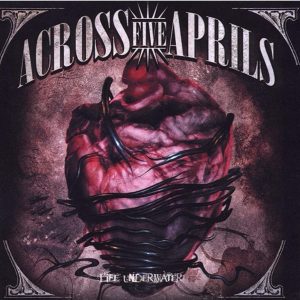 You were also on Victory Records, where you released the final Across Five Aprils album to date, Life Underwater. What was it like being on Victory Records?
It was definitely a different experience. You always hear horror stories about Victory—and I’m sure you have—but honestly, we enjoyed our time with them. Tony was a character. I remember going to his house once, which almost never happened; he didn’t invite bands over. We walked in ready to pitch him on which songs we thought should be the single. Before we even opened the door, we heard him blasting “In Photographs” on his sound system. He was literally skanking around his house—which looked like a fancy mall lobby—just going nuts to that song. At that point we were like, “Well, I guess we know what the single is.”
That record came with a different kind of pressure. Victory was the largest indie label in the U.S. at the time, and we were excited but also naïve about how the industry worked. We later learned Victory had this scatter‑shot approach: they’d sign several bands to huge 8–10 album deals—knowing full well no hardcore band was going to fulfill that unless they blew up and got bought out by a major. They signed us, Secret Lives, Dead to Fall, and Flee the Scene around the same time, and all our records dropped on the same day with similar marketing plans. I think they were waiting to see which bands took off.
The upside was the budget. We got to record with Matt Goldman, who was absolutely on fire then—Norma Jean, The Chariot, As Cities Burn. He had just done Contact, which is phenomenal. We spent a month with him in Atlanta and loved the process.
But Victory operated differently than Indianola. With Indianola, you’d record all day and then go to their house for a barbecue. With Victory, they checked in every day: “How did it go? What’s next? What’s the plan?” Very professional, very business‑minded.
Still, every interaction we had with the Victory team was positive. I still talk to Double J, who was our main contact—he’s at Epitaph now doing big things. I know some bands had rough experiences, but for us, I’m proud of the time we spent with Victory.
Looking back, what do you think made that era so special for metalcore and post‑hardcore bands?
It really was the Wild West—chaotic, flawed, but unforgettable. I don’t want to overstate our place in it, but A5A caught that initial wave. We were lucky to be touring with bands that later became staples of the genre.
The music felt honest. People connected with it. They heard something in those songs that resonated with whatever they were going through. And the scene was different then. If you wanted to tour, you just grabbed your five friends, found a car that ran, and hit every venue you could. Gas was cheap, someone would put you up, and you could make it work. I don’t know how bands survive now without serious support.
We were lucky, committed, and in the right place at the right time. Being on the crest of that wave gave us opportunities not everyone gets.
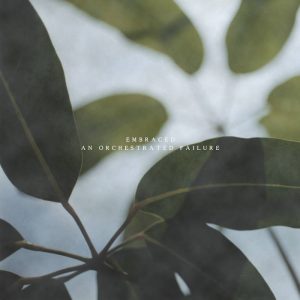 You mentioned Embraced. When you look back on that EP, An Orchestrated Failure, what do you think of it now?
As a musician, you always nitpick your old work. I hear things I’d do differently now, but we were 17‑year‑olds in Panama City just thrilled to record anything. I’m still close with all those guys—we have a group chat and talk all the time.
If we were all answering this together, I think some of them would admit they regret how the band ended. There’s definitely a lingering “what if?” because we were right at the beginning of something. Our first tour was Hopefall, Underoath, Twothirtyeight, and Copeland. Anberlin’s first tour was with us too. All these bands went on to huge things, and we often wonder what might’ve happened if we’d gotten out of our own way instead of being hot‑headed teenagers.
We’ve done a couple reunion shows in Panama City, and those have been a blessing. When I listen back now, I’m proud of it. Music kind of fell into my lap. I had just moved from Virginia Beach—my dad was military—and I was just looking for friends. I fell in with the skateboarding and alternative crowd, and once I realized some of them were in bands, I just wanted to be around it. I started as their manager, then eventually got on the mic, and things took off from there.
We had some success, talked to some decent labels, and then it all fell apart. Now that we’ve put our differences aside, we look back fondly. But yeah, for a long time there was a lot of “why didn’t we?” For me, though, I’m just grateful for every moment.
Fans are obviously wondering—is new Across Five Aprils music on the way? Is that something you’d like to do?
Yes, 100%. Being back with these guys and making music again has been incredible. I’m a full‑time fourth‑ and fifth‑grade science teacher, and while teaching has a performative side to it, creating music scratches a completely different itch. If you’ve ever made music, you know nothing compares to it.
I still remember being on tour in Japan—this huge crowd of people who didn’t even speak our language singing along to a song we wrote in a garage. Moments like that stay with you.
We’ve been writing new material. We have about six or seven songs in progress with the intention of recording them. We actually had studio time booked at Earthsound—the same place we recorded Collapse—for the 20th of this month, but life got in the way and we had to cancel. Still, it’s definitely not off the table.
I imagine the future of A5A will be releasing singles here and there as they’re finished rather than a full album. Maybe eventually we’ll pull it together for a 7-inch or an EP. And I know every musician says this, but honestly, some of what we’re writing now—coming from a more mature place after 20 years of living life—might be the best stuff we’ve ever done. I’m excited to see where it goes… assuming we don’t kill each other in the process.
 Are you doing any other projects outside of Across Five Aprils?
I try to stay creative whenever I can, even though it’s tough with a full‑time job and two kids. My buddy Davey from The Showdown—he’s doing Hope Deferred now with some of the guys from Living Sacrifice and Extol—and I have been working on a couple of songs together. Sometimes old friends from bands we toured with will send me a track and ask if I want to put vocals on it. It’s a slow process, but fun.
One song we’re working on is from a guy in a German band we toured with in Europe. Another is from a member of Means—an incredible Canadian band we toured with back in the day. So that’s been cool.
I also play guitar for my students all the time. I’m not good enough to play guitar in A5A, but I can strum well enough to serenade my kids or my class. I write silly educational songs—kind of in the vein of Koo Koo Kanga Roo. At some point, I’d love to release something kid‑friendly under a separate moniker. If you’re a parent, you know how hard it is to find music that’s appropriate but not painfully cheesy. I think I’ve got a few songs in me that could make kids happy without driving parents crazy.
Last question—do you have any message for fans of Across Five Aprils who are reading this?
First and foremost, thank you. Thank you for letting me live a little bit of a dream, for caring about this music for so many years, and for giving us the chance to keep doing it.
If you ever come out to a show, please come say hi. I’m the guy running our merch table, and I talk to every single person—probably for way too long. But I love it. You could be doing anything on a Friday or Saturday night, and the fact that you choose to spend it with us, singing along and having a good time, means the world.
And if you’re still interested in hearing new music from us, let us know. That kind of support fuels our fire.
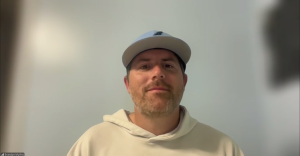
Brandon Mullins of Across Five Aprils via Zoom!
IN CONCLUSION
Across Five Aprils may have emerged from the chaos and creativity of the early 2000s, but their story is far from frozen in nostalgia. What began as a reunion built on friendship and curiosity has evolved into something more grounded, more intentional, and surprisingly alive. Brandon Mullins speaks with the clarity of someone who has lived a full life outside the spotlight, yet still feels the pull of the stage, the studio, and the community that shaped him.
As new music quietly brews and long‑dormant connections spark back to life, A5A stand as proof that the heart of a band isn’t defined by constant output—it’s defined by the people who carry the songs with them. Fans who show up decades later, kids singing along beside their parents, and musicians who never stopped believing in what they created together.
Whether the next chapter arrives as a single, an EP, or something entirely unexpected, one thing is clear: Across Five Aprils still have something meaningful to say, and the people who’ve been listening all along are ready to hear it.
(Interview by Ken Morton)
Across Five Aprils on Instagram