






Inside Zero Signal and Outline in Color: A Conversation with Michael Skaggs
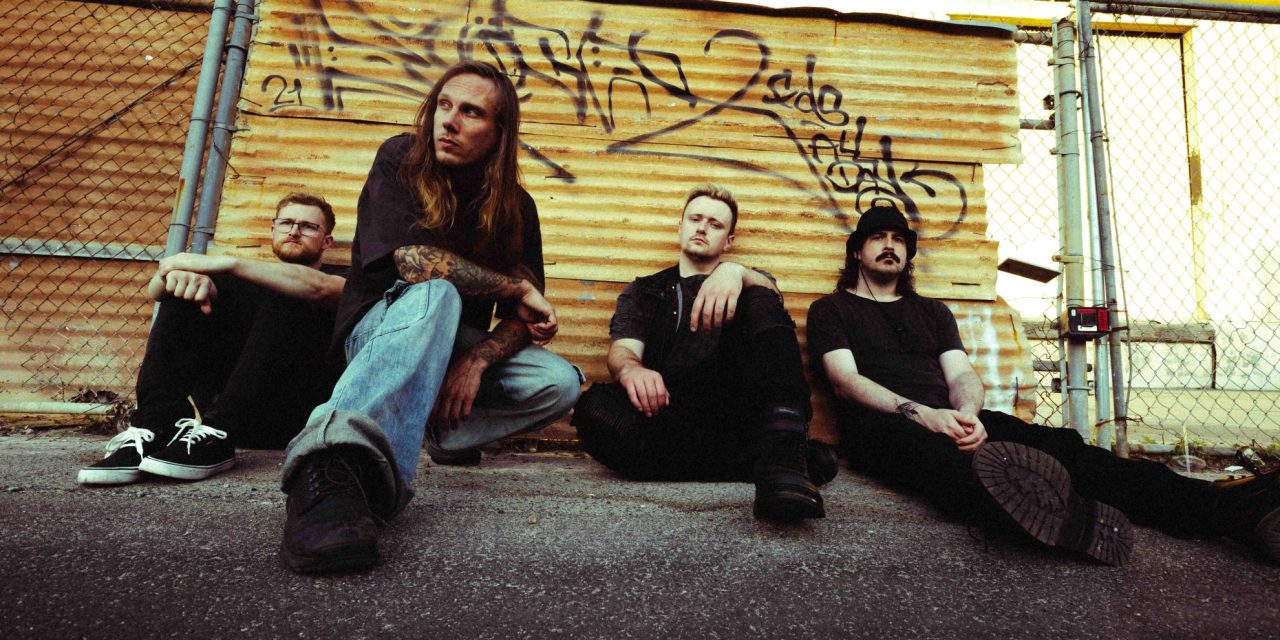
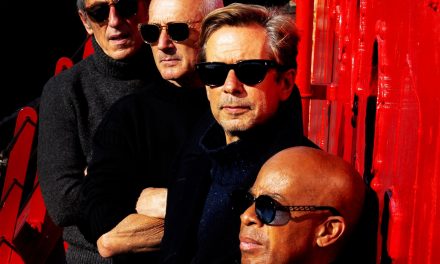
Zero Signal – Photo Credit: Micala Austin
Inside Zero Signal and Outline in Color: A Conversation with Michael Skaggs
For more than fifteen years, Michael Skaggs has been a defining voice in post‑hardcore—first through the long‑running success of Outline in Color, and now with the emergence of his new project, Zero Signal. With Zero Signal already releasing emotionally charged, genre‑bending tracks and Outline in Color approaching the ten‑year anniversary of their landmark album Struggle, Skaggs finds himself at a pivotal moment in his creative life.
In this conversation, he opens up about the origins of Zero Signal, the inspiration behind its first releases, the state of Tulsa’s thriving music scene, and the collaborations that have shaped his recent work. He also reflects on the legacy of Struggle, the closing of iconic venues like Chain Reaction, and what longtime fans can expect from both bands in the months ahead.
We’re here with Michael Skaggs of Zero Signal and Outline in Color. First of all, how did Zero Signal come about, and who else is in the band?
Zero Signal came together over the last couple of years. I’m always writing ideas in different genres, and I eventually built up a big stockpile of demos. I showed some of them to the Outline in Color guys—CJ and Adam—who both run studios and are usually the first people I go to for feedback.
Somewhere along the way, we met Ryan Leitru, originally from For Today. He’s touring with Fit for a King now and produces for bands like Silent Planet, We Came as Romans, and Gideon. I randomly met him at a show, found out he lived five miles from me, and realized I’d spent years traveling across the country to record when a producer I really connected with was right in my backyard.
Working with him and the Outline guys, we started developing ideas that didn’t quite fit Outline in Color’s established sound. Outline has been around for over 15 years, and we didn’t want to suddenly shift directions and alienate fans who’ve stuck with us for so long. So instead of reinventing Outline, we created a new project—Zero Signal—as an outlet for fresher ideas.
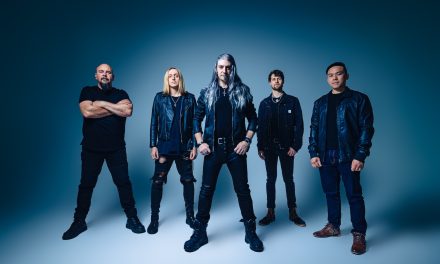
Zero Signal is myself, CJ Cochran, Adam Woods, and Austin McFerrin. So it’s still very much the Outline family, just with a different identity and creative lane.
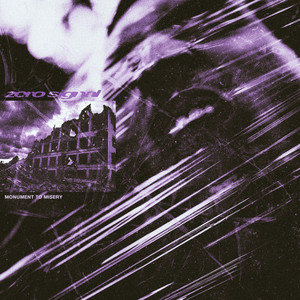
Monument To Misery by Zero Signal
Right now you’ve got two songs out. Let’s talk about them. “Monument to Misery” is the most recent. What inspired it?
“Monument to Misery” is a metaphor for building something up in your mind so much that you can’t imagine life without it. For me, it came from a past relationship where I couldn’t picture my life changing or moving on. Facing that reality and rebuilding after heartbreak is the core of the song. The “monument to misery” is a metaphor for a wedding ring.
And the other track, “Begging to Burn”—what’s the story behind that one?
It comes from the same emotional place—heartbreak, self‑reflection—but it’s specifically about self‑sabotage. It’s that moment when you finally see things starting to work out, but something in your mind wants to burn it all down before it has the chance to fall apart on its own.
A lot of people struggle with that fear of trying and failing, so they destroy something good before it can hurt them. I’m not trying to hide behind metaphors with these songs—I’m saying exactly what I feel and hoping others can relate.
Has Zero Signal played any live shows yet, or is that something you’re planning?
Not yet. We started releasing music in October of last year. But we’re rehearsing, we’re pitching for tours, and we definitely plan to play shows this year. Nothing confirmed yet, but it’s coming.
Is there more new music on the way?
Absolutely. Even though we debuted the project in October, we’ve been working on it for a couple of years. We wanted to build a solid body of work and really define what Zero Signal should sound like.
With Outline in Color, we’ve gone through so many eras of post‑hardcore and metalcore that the sound naturally evolved. With Zero Signal, we wanted to be more intentional and cohesive from the start. Before releasing anything, we recorded seven or eight tracks that are ready to go. We wanted everything to feel like it belonged together instead of dropping singles that sounded disconnected.
Do you still live in Tulsa? What’s the music scene like these days?
I do. And honestly, it’s really cool right now. Tulsa has always had this hidden‑gem music scene that the rest of the country doesn’t fully recognize, but I’ve always been proud to be from here. There’s a ton of talent across all genres, and hardcore especially is having a moment in Oklahoma.
Bands like Squelching and Taker are out touring and absolutely crushing it. Cliffdiver is from here too. Beyond that, there’s incredible hip‑hop, indie, everything—you name it. Tulsa’s special because there’s a venue for every stage of an artist’s career: tiny coffee‑shop rooms, 60–100 cap spaces, 300–500 cap clubs, ballrooms, even an arena. Every genre has a home here, and the scene just keeps getting better.
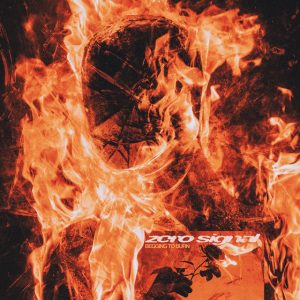
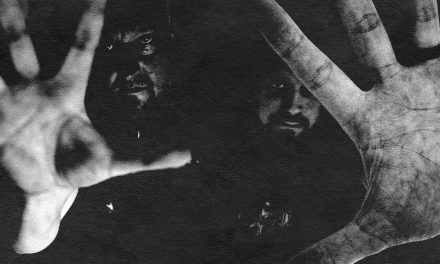
Begging To Burn by Zero Signal
I’ve got a few Outline in Color questions. Let’s start with “Can You Hear Me Now” with Nightlife. How did that one come together?
I’ve been friends with Hansel from Nightlife online for years, and I’ve always supported what they do. They’re insanely talented, and Nightlife as a project is so genre‑bending and fresh. We’d talked about touring together for a long time, but the timing never lined up—until it finally did.
Once we confirmed the tour, we knew we had to do a song together. “Can You Hear Me Now” was a demo we’d been tossing around internally, so I sent it to Hansel. He loved it and sent his feature back almost immediately—within 24 hours. He recorded it on a live mic, and we loved the rawness of that first take so much we didn’t even want him to redo it. The tour really sparked the collaboration.
Foxcult was also on that tour, and you did “Astral Gallery” with them. What’s the story behind that one?
That one was wild. They were on a tight deadline for their EP—they had to turn everything in that week to meet release dates, and they were also driving from Seattle to Austin for showcases at SXSW. Their vocalist was literally mixing and mastering the EP in the van on headphones while they were on the road.
They tweeted that they were looking for a heavy vocalist, I liked the tweet, and they hit me up with the track. Their music at the time was all tied to this universe they’d created—characters, storylines, space themes—so it wasn’t a typical writing process for me. I had to figure out how to write lyrics that fit their world without having the full context.
Then they told me they needed the feature that night. Luckily, I happened to have a free evening. I talked with their vocalist to get a better feel for the story, wrote my part, recorded it at home, and sent it back. They loved it, finished the track, and it came out like two weeks later. Fastest turnaround I’ve ever been part of—from receiving the song to release.
Did you perform either of those songs live with Nightlife or Fox Cult?
We performed the Nightlife song a couple of times on tour, but since it wasn’t released yet, we kept it limited—maybe two or three shows. The Foxcult song we played every single night except one when I was sick and had to save my voice. It was a blast to perform.
You did a feature with the L.A. band Scarlet Bandit on “Hope This Finds You Well.” How did that come about?
Jade, their singer, reached out to me on Instagram. It actually took a long time to come together because I had a lot going on personally, and Outline in Color was in the middle of an album cycle with Thriller Records. When you’re promoting a record, you have to be careful about timing features so they don’t get overshadowed or conflict with your own releases. So the gap between the first demo I sent Jade and the final track ended up being several months. I think they probably assumed we weren’t going to come through.
I only discovered Scarlet Bandit because Jade messaged me, and honestly, I get sent a lot of demos. I hear plenty of good stuff, but it’s rare that something really stops me in my tracks. Scarlet Bandit did. They’re incredibly talented, and I think they have a bright future.
Even though Outline in Color isn’t a massive band, I wanted to do whatever I could to help elevate them. At the time, they hadn’t released much and didn’t have many listeners, so I hoped that having “featuring Outline in Color” attached might help more people discover them. I just really believed in what they were doing.
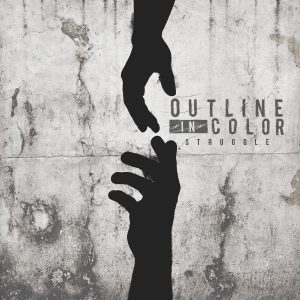
Struggle by Outline In Color
One of your albums is celebrating its 10‑year anniversary this year. When you look back on Struggle, what comes to mind now?
Struggle is such a fitting title for that era of our lives. We were all going through a lot—both as a band and individually—trying to grow up, figure out life on the road, and navigate everything that comes with being young musicians. It honestly doesn’t feel like 10 years have passed. Someone mentioned the anniversary to me recently, and it really hit me—like, wow, a decade already.
I love that album. I think it’s some of our best work. At the time, we had always wanted to work with Cameron Mizell. He produced so many of the records that inspired us when we were starting out—Woe, Is Me, Sleeping With Sirens, Memphis May Fire. Getting to work with him felt huge.
It was also the first time a label really stepped in and supported us financially in a meaningful way. Everything before Struggle was done on shoestring budgets. With this record, the bills were actually covered, and we could focus entirely on making the best album possible. I think that freedom and support really shows in the final product.
One of our clubs out here recently closed—Chain Reaction. I believe you guys played there at least once.
We played there a few times. I love Chain Reaction. I’m really bummed about it closing.
What are your memories of that iconic club?
One memory that really sticks with me happened during load‑in for a show—we got there around 3 p.m., no one was around, and Dave Shapiro, rest in peace, was there filling the ATM machine. I walked over and told him how much I respected him. Throughout our career, there were a few shows where we needed his approval, and he always gave us his blessing. He told me one of his side gigs was owning ATM machines, and I’ll never forget that moment. It made me realize how involved he was in every corner of the industry.
Outline in Color played Chain Reaction several times—one headliner and a couple support shows—and every time, the energy in that room was palpable. You feel honored to be on that stage because so many legendary bands came through there. I remember watching Pierce the Veil’s Live at Chain Reaction video back in the MySpace days. So many bands I grew up on cut their teeth there. I know all good things eventually end, and it’s a tough time for live music, but I really wish someone could’ve saved that place.
Are you currently involved with any other bands or projects outside of Zero Signal and Outline in Color?
Not right now. In the past, I tried to spread my wings and be part of a lot of different things, but as I’ve gotten older, I’ve realized there’s only one of me. The more projects I take on, the less of myself I can give to each one. So for now, I’m focused on Outline in Color and Zero Signal. I still write in all kinds of genres, so who knows what the future holds, but at this moment, those two projects have my full commitment.
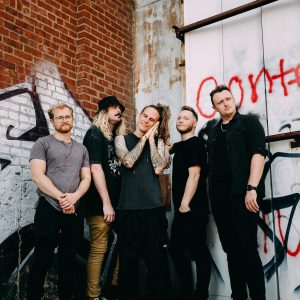
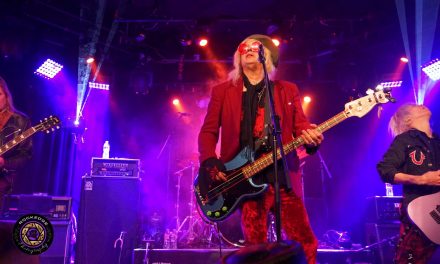
Outline In Color – Photo Credit: Tyler Raye
Do you have any messages for Outline in Color fans who have been following you all these years?
Absolutely. First, thank you—whether you’ve been listening for six months or 15 years. When we started Outline in Color, we were fresh out of high school—some of us still in high school. It was the first project any of us took seriously, but we never imagined it would take us around the world or lead to five albums. If you’d told teenage us that, we wouldn’t have believed it.
I meet people on the road all the time with different stories about how they found our music, and we appreciate every single one of you. You’re part of our family.
On the music side, I’m sorry it’s taken so long to release a follow‑up album. Some of our best work has come from taking our time, and we all agreed we wouldn’t put out another Outline in Color record unless we were 100% proud of it—collectively and individually. We’re getting back to basics, taking our time, and there will be a follow‑up. We’re hoping to release music this year, but I don’t want to over‑promise and under‑deliver.
In Conclusion
As Michael Skaggs steps into a new era with Zero Signal while continuing to honor the legacy of Outline in Color, it’s clear he’s an artist driven by honesty, evolution, and connection. Whether he’s reflecting on a decade‑old album, championing rising bands, or carving out a fresh creative identity, Skaggs approaches every chapter with intention and heart. With new Zero Signal music on the horizon and Outline in Color carefully crafting their next release, fans of both projects have plenty to look forward to. And if this conversation proves anything, it’s that Skaggs isn’t just building songs—he’s building worlds, communities, and a body of work that continues to resonate long after the final note.
(Interview by Ken Morton)