
Into The Burnt Ruins and Roaring Shores of Forsmán
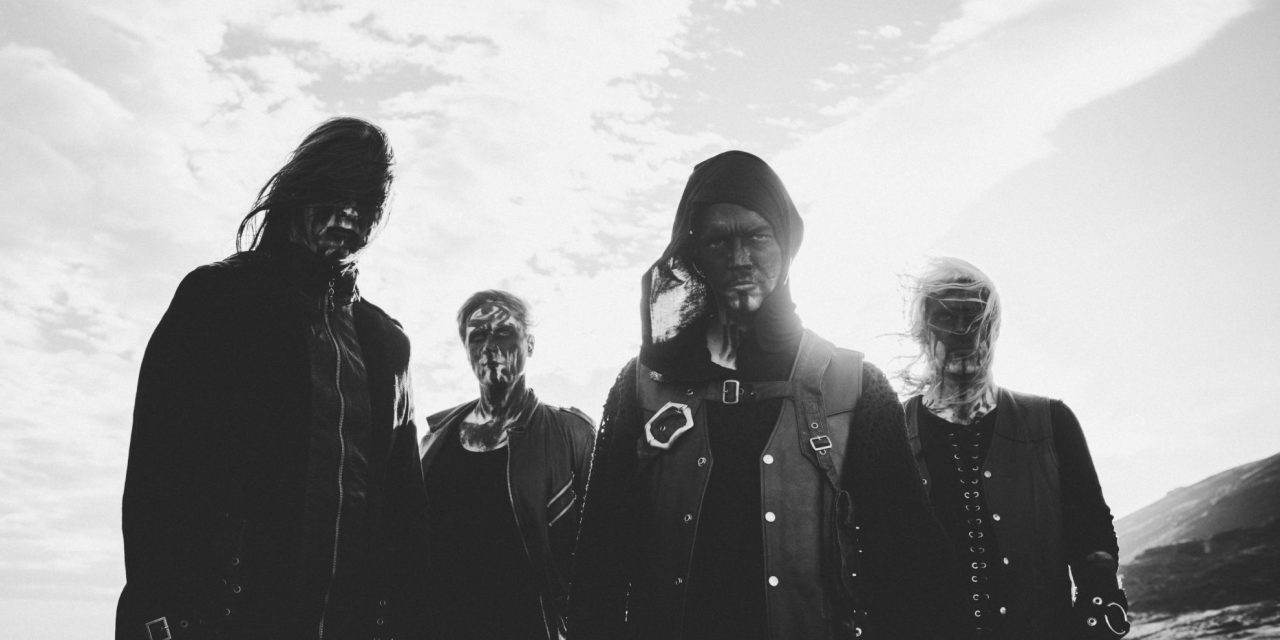
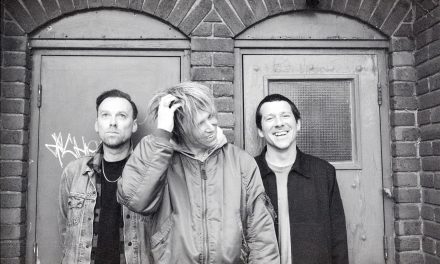
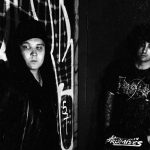
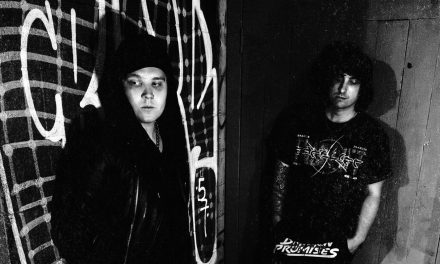
Photo by Void Revelations
Into The Burnt Ruins and Roaring Shores of Forsmán
There’s a particular electricity that comes from discovering a band whose intensity doesn’t rely on language, geography, or genre boundaries. Iceland’s Forsmán is one of those rare acts — a group whose sound feels volcanic, ritualistic, and deeply human even before you understand a single lyric. Their debut full‑length, Brenndar Rústir & Fuðrandi Fjörur, arrives after six years of creation, transformation, and perseverance, and it already stands as one of the most striking black‑metal releases of the year.
I connected with vocalist/bassist Viktor Veigarsson, who spoke with a mix of humility, humor, and raw honesty about the album’s origins, the Icelandic scene, their partnership with Metal Blade, and the unexpected jazz roots that shaped Forsmán’s sonic identity. What follows is the full conversation — intense, thoughtful, and brimming with the creative fire that defines the band.
Let’s jump straight into the new album. Brenndar Rústir & Fuðrandi Fjörur is such a striking title. What does that phrase represent for the band, and how does it frame the emotional or spiritual landscape of the record?
The title roughly translates to Burnt Ruins and Roaring Shores. It took us a long time to find it. We felt it represented the chaotic depths of human nature — the things that keep repeating themselves throughout history. That theme runs heavily through the lyrics and atmosphere.
Where is Forsmán based, and what is your local music or metal scene like?
We’re mainly based in Kópavogur, with the rest of the guys in Reykjavík. The metal scene here is incredibly strong considering how few people we have. Most of us are friends, and we’re all in multiple bands. Icelandic music thrives on collaboration out of necessity — if scenes were separated by genre, you’d have ten people at each show. Everything blends together, and I think that’s part of what makes Icelandic music sound Icelandic.
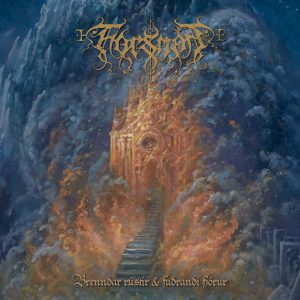
Brenndar Rústir & Fuðrandi Fjörur by Forsmán
The album is intense even without understanding the language. Let’s talk about the first track Drottinn fyrirgefur allt.
Drottinn fyrirgefur allt. Haukur wrote that one. I’ll never forget when he brought it to rehearsal. The intro isn’t in any key, and you can’t count it normally. He wrote it during an artistic block, entirely in Guitar Pro without a guitar. I think it started as a joke because it was so weird, but we loved it. We always knew it would open the album.
I always like to jump to the end of an album. Tell me about the closer.
Barmafylltar fjöldagrafir— “Overflowing Mass Graves.” I wrote that one. It came out in a pure flow state. After seeing the new Nosferatu film, I had the chorus melody stuck in my head. I stayed up late writing the whole thing. I knew immediately it should close the album. For me, it was about pushing my limits — I’m mainly a bass player, not a guitarist, so I wanted to write something profoundly difficult. All of us pushed our boundaries on this record.
Your partnership with Metal Blade through Vesperian has brought your music to a global audience. What has that experience been like?
Honestly, mind‑blowing. This album was six years in the making. There were moments where I thought it might never come out. Philip from Vesperian reached out at the perfect time. We sent him the record, and he immediately wanted to work with us. We’re honored to have a platform that gets our art out not just in Iceland, but across the world.
Your debut EP Dönsum í logans ljóma came out in 2021 during the pandemic. What was that like?
Weird — but we didn’t know what “normal” was supposed to be. We recorded with Stephen Lockhart at Studio Emissary. At first it felt like two weeks off school, then suddenly a year had passed and vinyl delays were insane. People noticed the EP, but nothing could happen. We didn’t play abroad until Inferno Festival this year. Still, releasing it was necessary. Revisiting it recently felt like hearing it for the first time again.
How did Inferno Fest go?
Amazing. We opened the John Dee stage — a 500‑cap room — and it was completely packed. I didn’t know what to expect as the first band of the day. It could’ve been twenty people. Instead, it was full, and the reactions were incredible. Deicide was sick, and Aberration from Norway blew my mind.
Have you ever played in the States?
Not yet. But I’m actually from California — born in Westchester, right outside LAX. I haven’t been back in ten years. We moved to Iceland for “one year”… and now it’s year twelve. I’d love to come back and play LA. I’ve got a lot of old friends there.
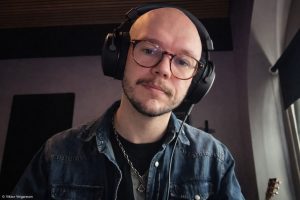
Viktor of Forsmán via Zoom!
Icelandic musicians are often involved in multiple projects. What are some of yours?
I’m in Duft, a hardcore band influenced by Bolt Thrower and Pantera — just no‑bullshit rock and roll. Forsmán is my most active project. I also have Meinsemd, which started as a death‑metal project but is shifting toward industrial electronic music. I’ve been exploring that side of my creativity lately.
With your debut full‑length about to come out, what’s next?
We’ve already started writing riffs for the next album. We don’t want to be afraid of trying new things — people can hear that on this record. Most of us met at a jazz conservatory, playing jazz together before metal. That background helps a lot. We don’t care about genre. If something resonates, we follow it. We just want to keep exploring and pushing our boundaries.
In Conclusion
Forsmán’s music feels like a force of nature — shaped by Iceland’s collaborative scene, sharpened by years of growth, and carried by a group of musicians unafraid to challenge themselves. Their debut album is not just a statement; it’s a threshold. Talking with Viktor, it’s clear the band is already looking beyond it, ready to evolve, expand, and erupt again.
If Brenndar Rústir & Fuðrandi Fjörur is the sound of burnt ruins and roaring shores, whatever comes next may very well reshape the landscape again.
(Interview by Ken Morton)
Forsmán on Instagram